Diversity is the undisputed strength of the American workforce. Our classrooms are more linguistically and culturally diverse than ever before, yet a Knowledge Gap continues to persist in Career and Technical Education (CTE). This gap isn't caused by a lack of student talent or ambition; it is caused by a persistent, often invisible language barrier.
For too long, high-level technical curriculum—the kind that leads to high-wage jobs in AI, Web Design, Game Design, Animation and more—has been offered exclusively in English. This creates an unintentional filter that disproportionately impacts some of our most capable learners. At CTeLearning, we are putting an end to that. Starting in Summer 2026, we are launching a total Bilingual Revolution, introducing fully bilingual versions of our most popular career tracks.
The Double Mountain: The Reality of the ELL Experience
For an English Language Learner (ELL) or a student with Limited English Proficiency (LEP), a standard technical course presents a daunting challenge. They are forced to climb two mountains simultaneously: they must master a complex new technical skill—such as asynchronous programming or data ethics—while also translating the instruction in real-time.
When a student’s brain is fully occupied with the cognitive load of translation, there is less bandwidth available for the actual synthesis of technical concepts. This inadvertent gatekeeping sidelines creative and hardworking students who would otherwise excel in the digital economy. It is a loss for the student, but it is also a loss for a 2027 workforce that is desperate for diverse perspectives and skilled workers.
Dual-Language Mastery: The Transition Model
Our bilingual curriculum isn't just a simple Google Translate overlay or a passive subtitle track. It is a professionally localized, dual-language experience designed specifically for the modern classroom. By offering the courses in both English and Spanish, we allow students to navigate their professional journey in the language that allows them to think most critically. We have also offered other languages on an as-needed basis, such as Creole for one of our schools in Florida.
The core of our approach is the
Transition Model . We believe that logic is universal, but language is a tool.
- Conceptual Mastery: Students learn high-level logic (like a JavaScript loop, a prompt engineering technique, or a plant growth cycle) in their native language first.
- Vocabulary Acquisition: Once the how and why are understood, students are introduced to the professional English vocabulary required to discuss that concept in a global business setting.
This model doesn't just teach code; it builds the professional confidence necessary for a student to walk into a job interview and speak the language of industry fluently. It respects the student's primary language as a foundation rather than a hindrance.
Our 2026 Bilingual Lineup: High-Demand Pathways
We have selected our highest-demand, industry-aligned courses for this initial bilingual expansion. Each course is designed to meet
Perkins V requirements and provide students with tangible, workforce-ready skills:
- Web Design: Students master the technical front-end of the web, learning HTML5, CSS3, and industry standards. This is where art meets engineering.
- Web and Mobile Game Design: A deep dive into the logic, storytelling, and coding behind interactive experiences. This pathway transforms gamers into the developers of tomorrow.
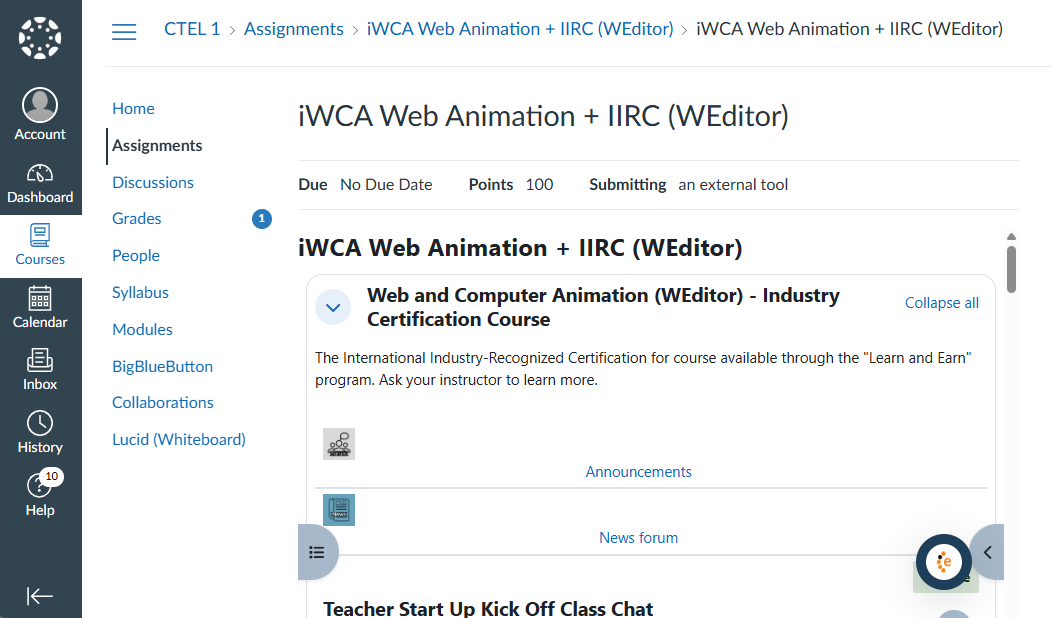
- Web Animation: This pathway is where creative vision meets technical logic, teaching students how to use movement to guide and delight users.
- Principles of IT: The essential on-ramp for the digital economy. This course covers everything from hardware and networking to software development, ensuring a solid foundation for any tech career.
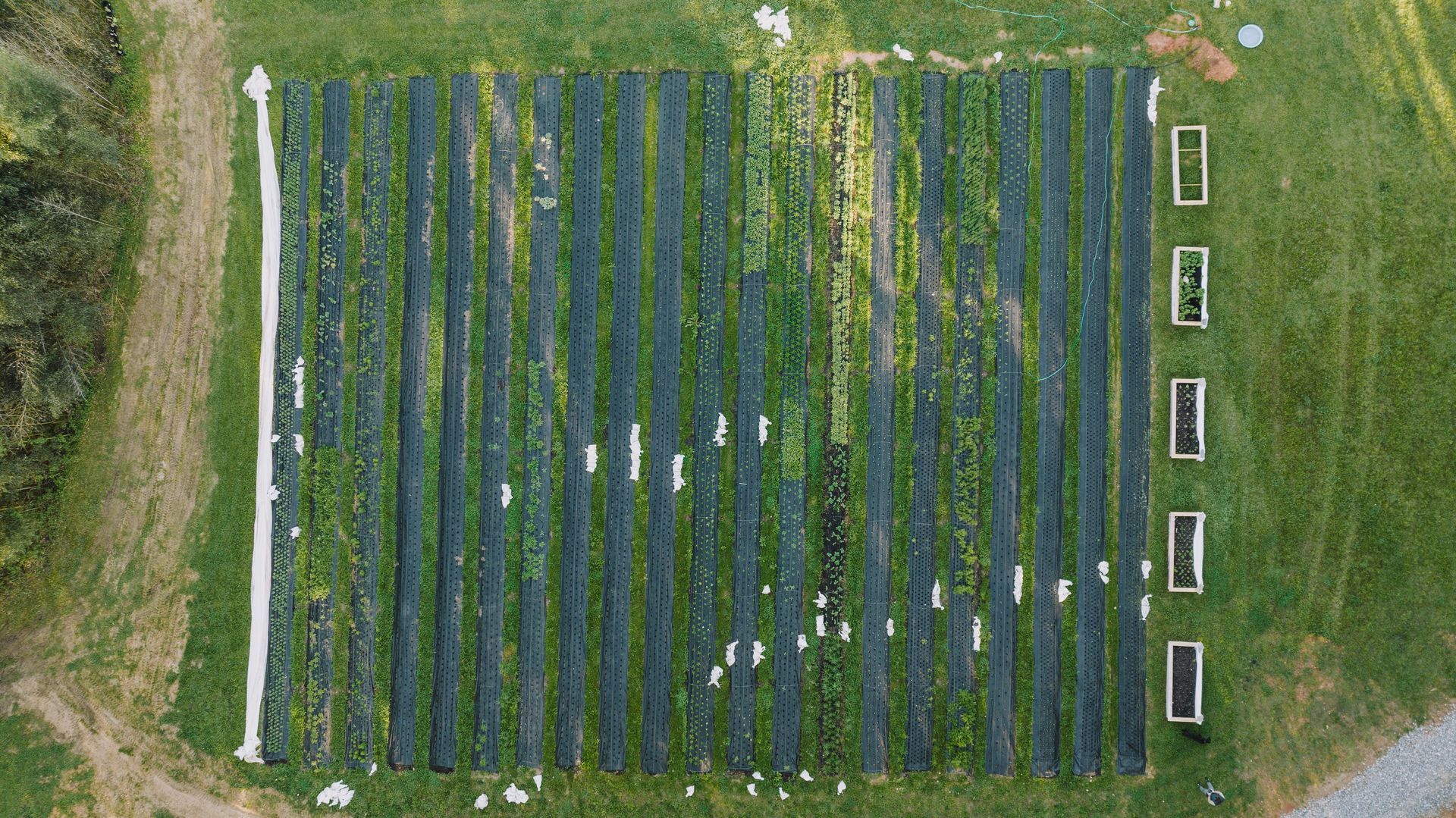
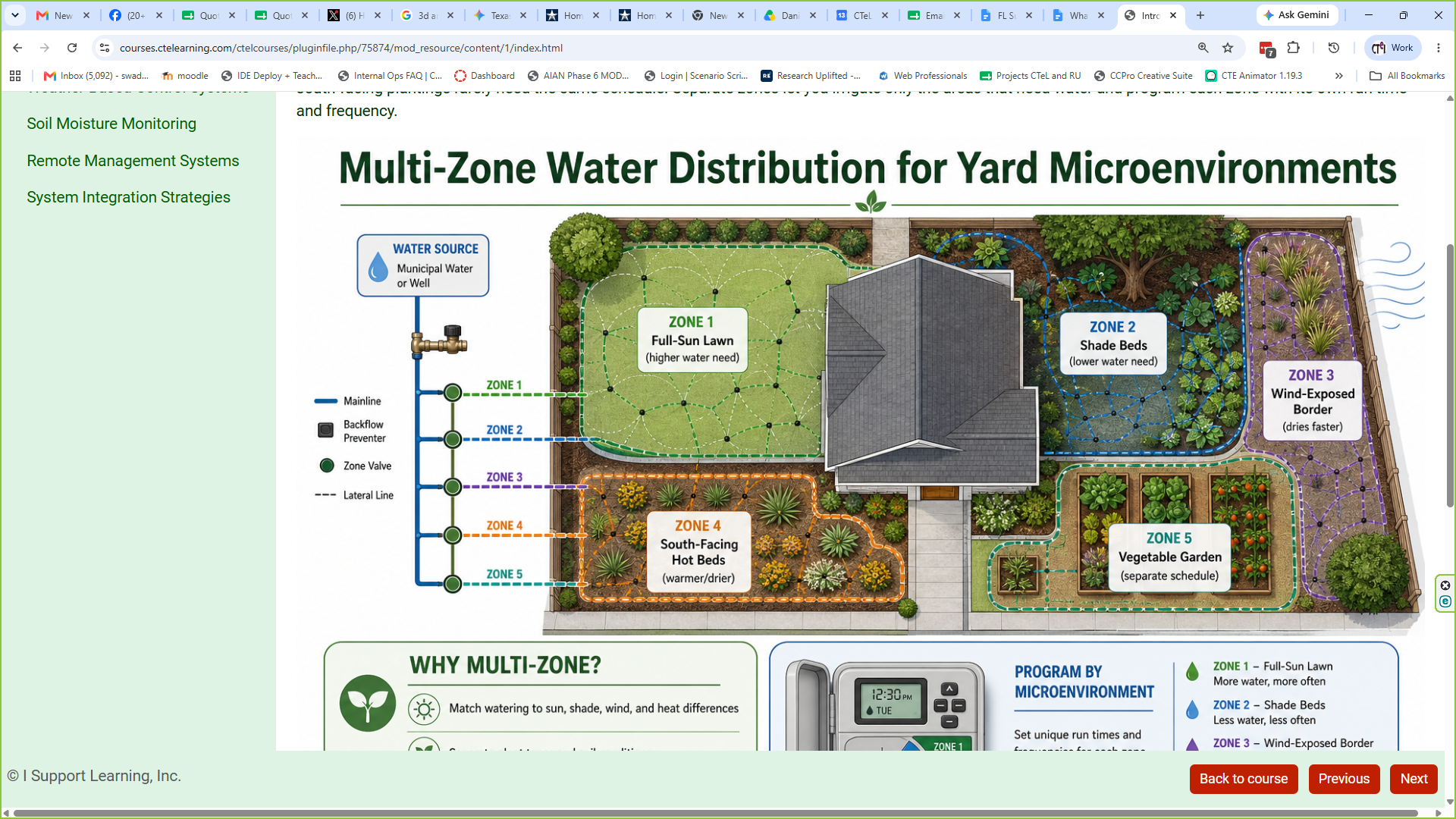
- Horticulture and Sustainable Landscape Design: We are bringing green-industry education to a wider audience, focusing on the booming sustainable agriculture and smart landscaping sectors.
- AI for the Workplace: A critical new course for 2026. Students develop expertise in generative AI tools, effective prompt engineering, and the ethical oversight required to lead in an automated world.
- Ethics in the Workplace: Beyond technical skills, business leaders demand soft skills. This course prepares students to navigate professional standards and ethical dilemmas in a global context.
Empowering Families: The Kitchen Table Effect
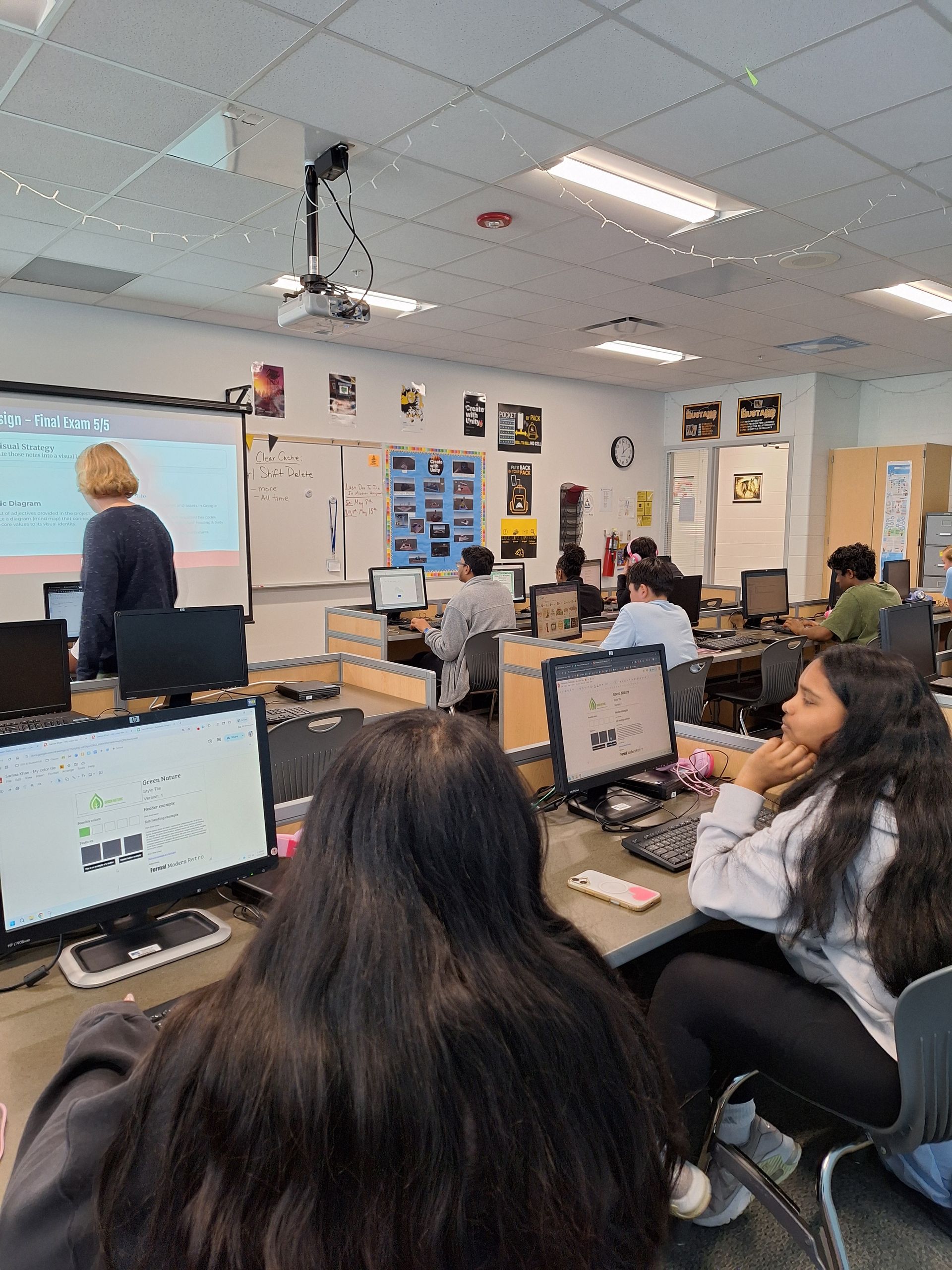
A bilingual curriculum does more than just help the student in the computer lab; it extends the learning into the home. This is what we call the Kitchen Table Effect. One of the greatest challenges for ELL students is that their parents—who are often their primary motivators and biggest cheerleaders—feel disconnected from the curriculum. They may want to help with homework or discuss career goals, but the language barrier makes the technical world feel like a closed book.
When the CTeLearning curriculum is available in Spanish, parents can engage with their child's progress. They can see the portfolio projects their children are building and truly understand the value of the Industry-Recognized Credentials (IRC) their children are earning. This creates a holistic support system that significantly increases student completion rates and long-term career success. When the whole family understands the career path, the student is far more likely to stay the course.
Industry-Validated Success with Web Professionals Global
At CTeLearning, we don't just provide lessons; we provide pathways to employment. Our long-standing partnership with
Web Professionals Global ensures that the certification process respects the bilingual nature of the learning path.
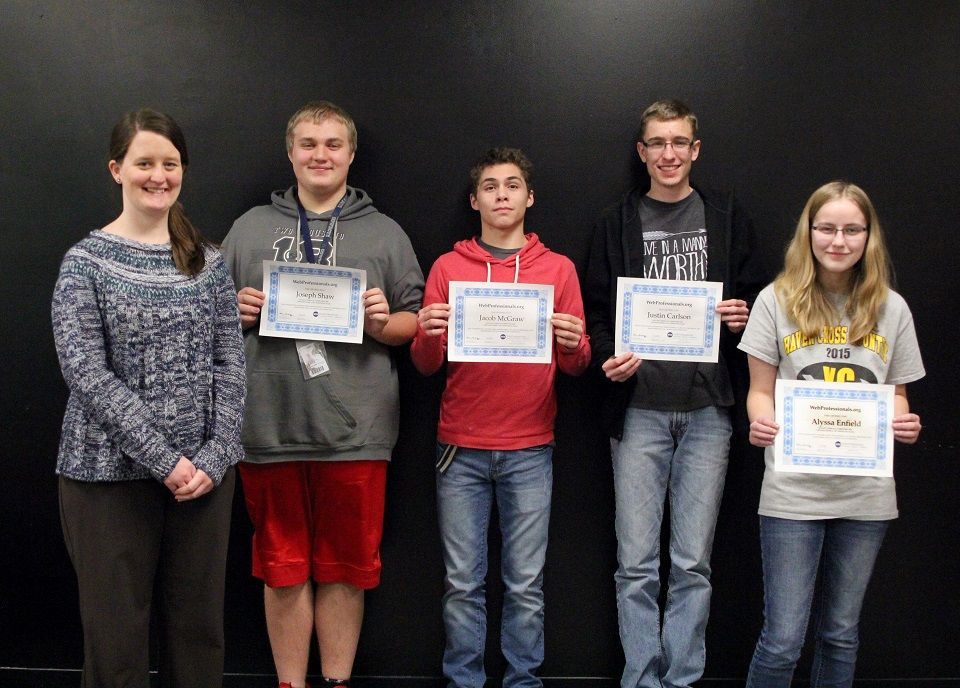
This is a critical distinction. A student who masters AI or Web Design in a bilingual environment earns the exact same verified credential as their peers. This is a stackable credential that proves to the 66% of today’s business leaders who value IRCs that the student possesses the rigor and the specific skills required for the modern workplace. We are removing the language barrier without lowering the bar for excellence.
A Strategy for 2026-2027 District Growth: Title III and Perkins V
As we approach the June 30th budget deadline, administrators are looking for high-impact ways to maximize their
Title III (Language Instruction for ELL and Immigrant Students) and
Perkins V funds. Investing in a bilingual curriculum is a strategic move that addresses the needs of your fastest-growing student populations.
Under Perkins V, districts are required to show how they are serving special populations, which includes ELL students. By deploying a natively bilingual curriculum, your district provides documented proof of inclusive practices and digital equity. It shows your community that your district is committed to preparing every student—regardless of their background—for a high-wage, high-demand career.
The 2027 Global Workforce Demands Multilingual Talent
The business world isn't just looking for workers—it is looking for cultural navigators. A student who is bilingual and technically proficient in AI, Web Design, or IT is a unicorn in the job market. They can communicate with diverse teams, troubleshoot across borders, and bring a global perspective to local problems.
By providing bilingual CTE pathways, you aren't just helping students catch up to their English-speaking peers. You are giving them a specialized skill set that makes them more valuable than the average candidate. You are turning their linguistic background into a professional superpower.
Don’t Let Language Barriers Limit Your Students’ Futures
The workforce of 2027 will be defined by its ability to adapt and communicate. Don't let outdated, English-only software limit the potential of your students or the growth of your district. Join the hundreds of schools already leading the Bilingual Revolution and give your students the curriculum that speaks to them in the language they understand best, while preparing them for the world they are about to lead.
Ready to Lead the Revolution in Your District?
Request your free bilingual pathway demo today and see how easy it is to bridge the knowledge gap for your students.
Interested in reading more?
Why Schools Are Struggling to Launch CTE Programs (And How to Solve the Staffing Crisis)
The 2026-2027 Guide to Mapping Industry Certifications to Student Success
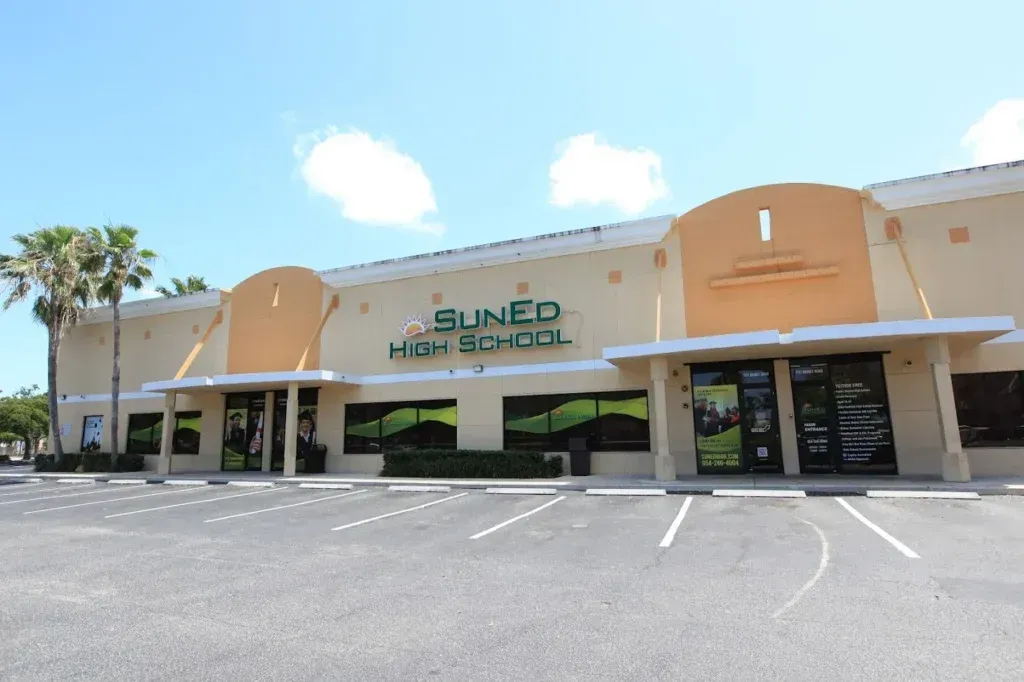
AI in the Workplace: How SunEd High is Leading Florida in AI Certification