

Blog

Why Schools Are Struggling to Launch CTE Programs (And How to Solve the Staffing Crisis)

Steve Waddell • April 2, 2026

Career and Technical Education (CTE) programs have never been more essential. Across the United States, administrators are recognizing that the traditional academic track is no longer enough. To succeed in the 2027 economy, students need a "Dual-Track" education: high-level academic theory combined with immediate, project-based career skills. From digital design and AI strategy to sustainable energy and healthcare, students are hungry for programs that provide both real-world experience and industry-recognized credentials (IRCs).


Despite this record-breaking demand, many schools face a formidable wall: a critical shortage of qualified CTE teachers. Recruiting instructors who possess both the deep industry expertise and the state-mandated teaching credentials necessary to lead these programs is a monumental task. In many states, a web design teacher needs years of professional experience plus a teaching certificate—a combination that is increasingly rare and expensive. Some districts struggle for months to fill a single vacancy, while others are forced to shutter successful programs or forgo launching new pathways entirely due to these staffing constraints.


The good news—and the secret that top-performing districts are utilizing in 2026—is that launching a high-quality CTE program does not always require hiring a fleet of new, six-figure specialists. With thoughtful strategies, advanced online curriculum solutions like CTeLearning, and a shift toward "Facilitated Learning," schools can leverage their existing staff to build programs that are scalable, engaging, and impactful. Our curriculum is specifically engineered so that motivated educators can facilitate professional-grade learning effectively without needing to be the primary subject-matter expert.


Rethinking the Traditional CTE Model

Historically, CTE programs relied on a resource-heavy "Master-Apprentice" model. To teach Automotive, you needed a mechanic. To teach Web Design, you needed a Developer. Schools would build dedicated facilities, buy specialized equipment, and hire a dedicated specialist for every single career pathway. Under this old model, launching a new program often took three to five years of planning and millions in capital investment.


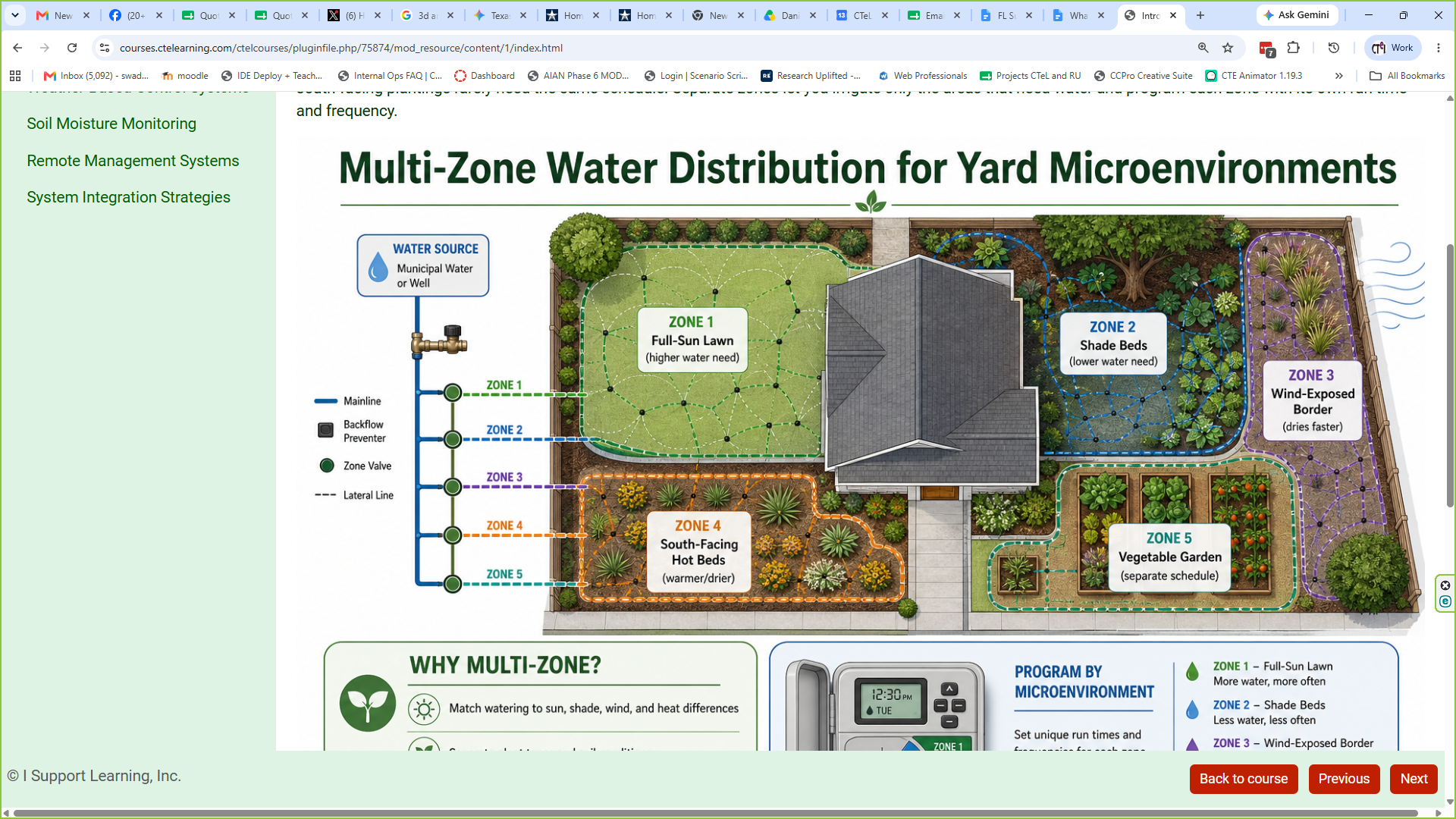
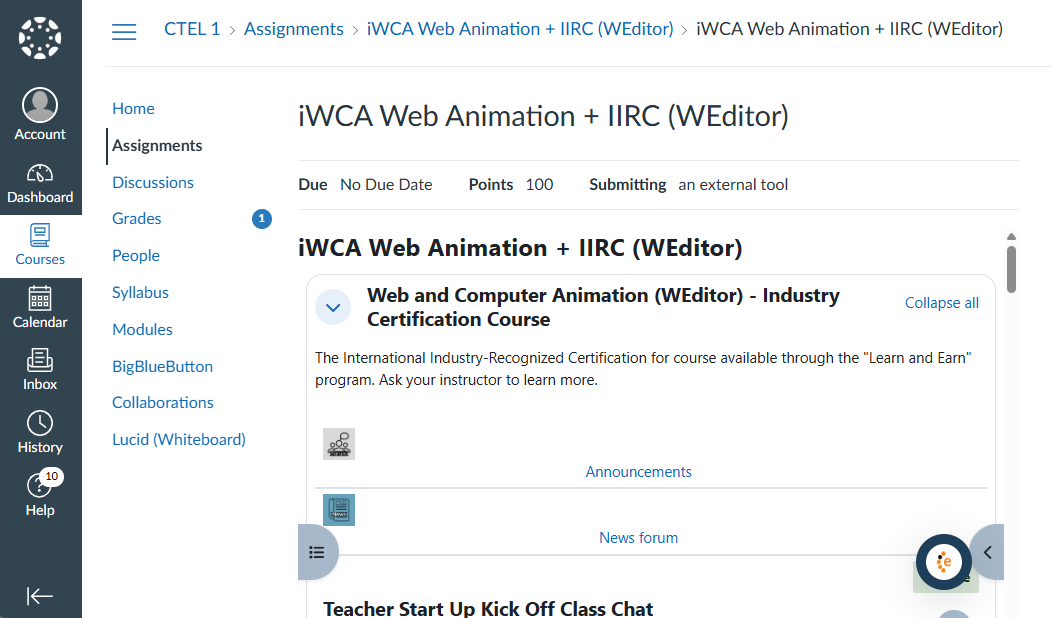
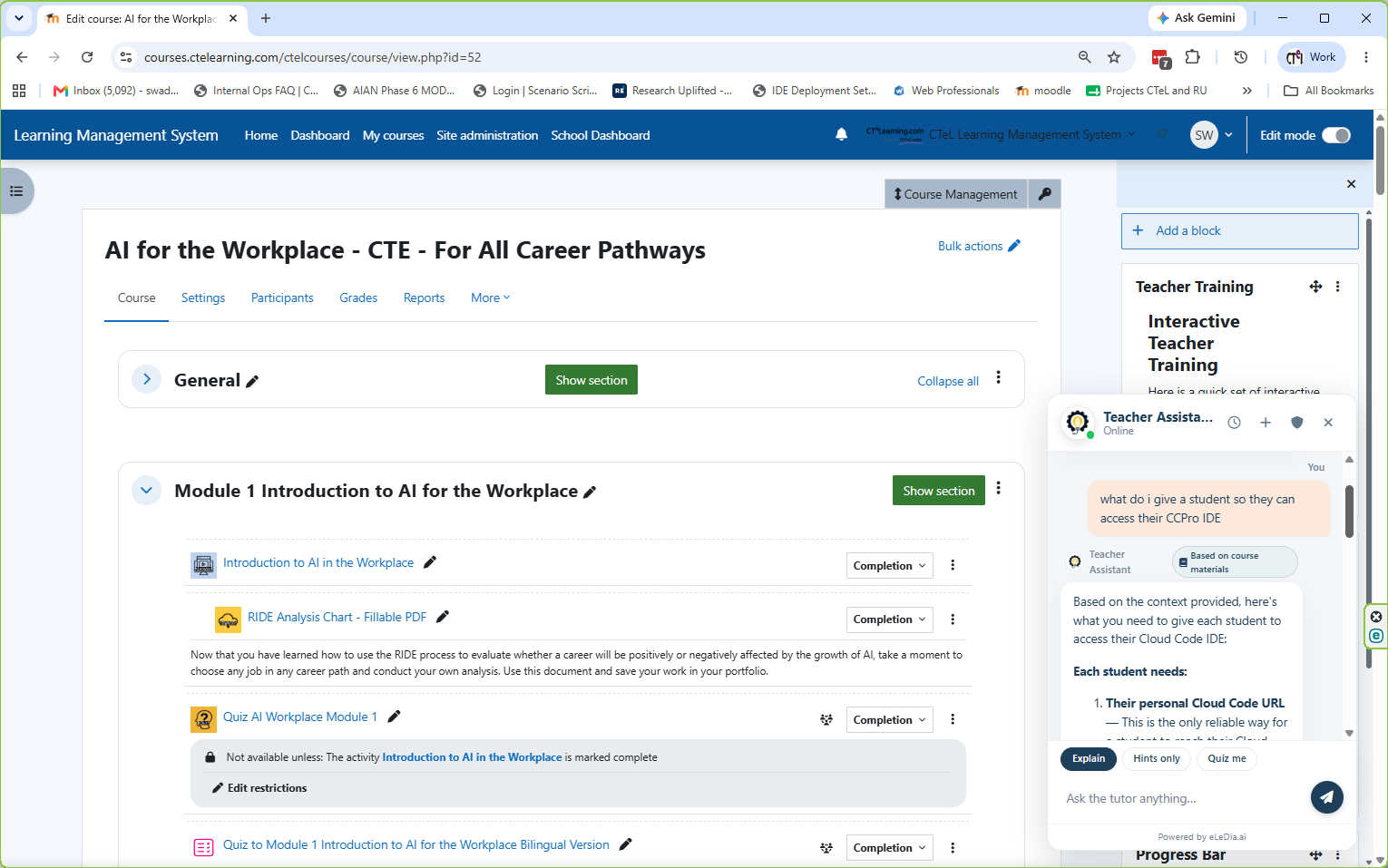
In the current economic climate, this traditional approach is becoming unsustainable. Most districts simply do not have the budget to outbid private industry for tech talent, and physical facilities often cannot support multiple specialized labs. In response, forward-thinking educators are embracing a Modern CTE Framework that emphasizes flexibility and "Hardware-Agnostic" technology. By leveraging cloud-based, turnkey curriculum like the courses we offer at CTeLearning, schools can implement multiple pathways—from Animation to Cloud Security—with virtually zero setup time. This allows existing teachers to stop worrying about "lesson planning for a subject they don't know" and start focusing on what they do best: mentoring students and managing project-based growth.


The Power of the Facilitator: Leveraging Existing Teachers

One of the most persistent misconceptions in vocational education is that every pathway requires a "Sage on the Stage" who knows every line of code. In the 2026 classroom, the teacher’s role is shifting from "Content Provider" to "Learning Architect." Our curriculum is designed to support this shift. We provide the "Subject Matter Expertise" through interactive modules, professional video instruction, and industry-validated labs. This leaves the teacher free to manage the classroom environment, provide emotional support, and track career-readiness skills (the "Soft Skills" like communication and reliability that employers value most).


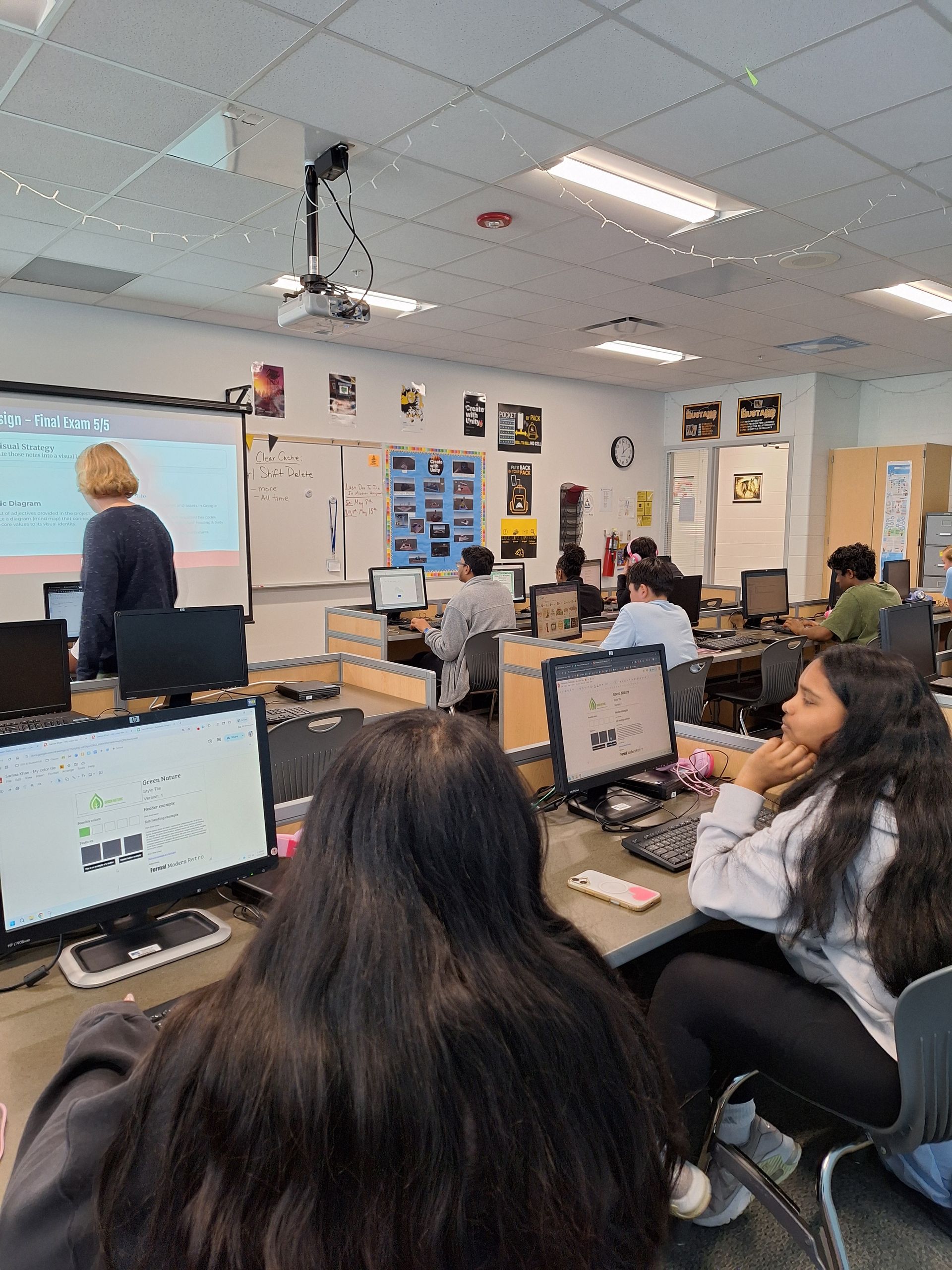
With structured lesson plans, automated grading, and built-in formative assessments, a Business teacher can successfully facilitate a Web Design course. A Media Arts teacher can oversee a high-level Coding pathway. When you reimagine teachers as facilitators, you don't just reduce hiring costs; you unlock the potential of your current staff to grow alongside their students.


The Technical Advantage of Online Curriculum

Online curriculum has evolved far beyond the "digital textbooks" of the past. At CTeLearning, we provide a comprehensive ecosystem of learning. This includes:

  • Industry-Validated Content: Developed in partnership with organizations like Web Professionals Global.
  • Project-Based Learning (PBL): Students don't just "read"—they build. They create real portfolios that they can show to employers or college recruiters.
  • Built-in Professional Development: We "teach the teacher" as they move through the course, providing them with the background knowledge they need to feel confident in the lab.


Our curriculum is strictly aligned with federal standards such as Perkins V and is specifically mapped to the 2026-2030 Industry-Recognized Credential (IRC) lists. By adopting a digital-first curriculum, a single teacher can manage several distinct pathways simultaneously within the same classroom, making expansion feasible for schools of any size or budget.


Starting Small: The "Pilot and Pivot" Strategy

The most successful CTE launches we see aren't the ones that try to open ten pathways on day one. The most effective way to implement a new program is to Start Small.


Launching one or two high-demand pathways—such as Web Design or Digital Marketing—allows administrators to focus on quality and troubleshoot local challenges without overwhelming the staff. This "Pilot Phase" reduces financial risk and allows the district to gather student feedback. Once the initial pathways are established and the "Facilitator Model" is proven, schools can gradually expand. Adding one new pathway per year creates a sustainable growth model that avoids the "burnout" often associated with massive curriculum overhauls.


Prioritizing High-Demand, Flexible Pathways

When choosing where to start, smart administrators look for "High-ROI" pathways. Some programs, like Welding or Nursing, require massive insurance premiums, specialized ventilation, or highly specific clinical hours. While valuable, these are difficult to launch quickly.


Conversely, "Digital Pathways" like Animation, Web Design, and Web and Mobile Game Design are increasingly popular because:

  1. Low Overhead: They require minimal specialized equipment (often just a Chromebook).
  2. Remote-Ready: They can be taught in a physical lab, a hybrid environment, or fully online.
  3. High Demand: These skills are "Universal Competencies" required in every sector of the 2027 economy, from agriculture to aerospace.


The Funding Landscape: Aligning with Perkins V

Funding is often the "make or break" factor for a new program. In 2026, federal funding through Perkins V and state-level workforce development grants are more accessible than ever—if your curriculum meets the criteria.

To maximize funding, your program must demonstrate:

  • Industry Validation: Evidence that the skills taught are actually used in the field.
  • Credential Attainment: A clear path for students to earn a recognized certificate.
  • Equitable Access: The ability to serve all students, regardless of their physical location or socio-economic status.


Our curriculum is built with these funding "Triggers" in mind. We provide the documentation and tracking tools administrators need to prove program effectiveness, making it significantly easier to justify budget requests and secure long-term grant support.


Avoiding the "Perfection Trap"

We often see districts delay their CTE launch for years because they are waiting for the "perfect" candidate to apply or the "perfect" lab to be built. This is the Perfection Trap. While the district waits, students are missing out on years of career preparation.

By adopting scalable solutions now, you can avoid common pitfalls like overcomplicating staffing or assuming that every student needs a $3,000 workstation. The most successful programs are the ones that get started, iterate based on student success, and grow as demand increases.


Administrator’s Summary: The ROI of Facilitated CTE

  • Immediate Implementation: Launch professional-grade pathways in weeks, not years, by utilizing existing staff.
  • Reduced Overhead: Eliminate the need for high-salary specialists and specialized physical infrastructure.
  • Sustainability: Align with Perkins V and 2027 Industry Standards to ensure long-term funding and student employability.


What Success Looks Like

When a school moves to this modern model, the transformation is visible. Student engagement skydives as they realize they are building actual products for the real world. Teachers feel empowered rather than overwhelmed, as they learn new, high-demand skills alongside their students. Most importantly, the "Staffing Crisis" stops being an excuse for stagnation and becomes an opportunity for innovation.

With CTeLearning, you have the tools, the industry backing, and the pedagogical support to launch high-quality programs efficiently. We are here to ensure that your teachers are successful, your students are prepared, and your district is a leader in the 2026-2027 educational landscape.


Next Steps

Launching a CTE program without hiring new teachers isn't just possible—it’s the most sustainable way to grow in 2026. By leveraging your existing team and our industry-validated curriculum, you can deliver the career outcomes your community deserves.


Get in Touch Today:


Interested in learning more? Check out our article on Why Teaching Green Web Standards is the New Frontier of Sustainability.


  • How Can We Launch A High-Demand CTE Pathway If We Can't Find A Certified Specialist?

    Most districts solve this using the "Facilitator Model." Instead of hiring a new specialist, you use an existing motivated teacher (like a Business or Media Arts teacher) to act as a "Learning Architect." By using an industry-validated, turnkey curriculum like CTeLearning, the software provides the deep technical expertise, while the teacher focuses on mentoring, classroom management, and professional soft skills.

  • Does Our School Need Expensive Hardware Or Specialized Labs For These Programs?

    In 2026, the trend has shifted toward "Hardware-Agnostic" learning. CTeLearning pathways—such as Web Design, Animation, and Game Design—are cloud-based and can run on standard Chromebooks or existing computer labs. This eliminates the need for massive capital investment in specialized workstations.

  • Can One Teacher Manage Multiple CTE Pathways At The Same Time?

    Yes. Because CTeLearning curriculum is self-paced and includes automated grading and formative assessments, a single facilitator can oversee several distinct tracks—such as Animation and Coding—within the same classroom period. This allows smaller schools to offer a diverse range of career options without needing a massive departmental staff.

Share To

Get in touch with us today!


You can book a demo directly using Calendly, call us directly at 913-764-4272 or 877-828-1216, or submit the form and we will reach out to you.


We look forward to helping you and your students.

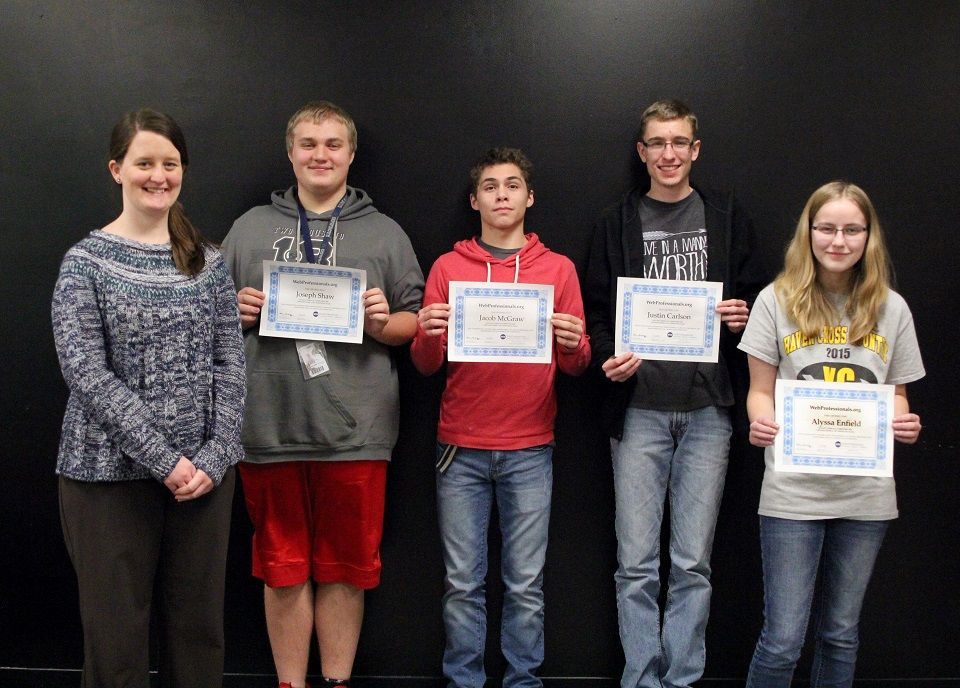
students with STEM certifications

Most Recent Posts

Green Web Standards and Lean Code concept for sustainable CTE curriculum
By Steve Waddell April 1, 2026
Discover how Green Web Standards and "Lean Code" are transforming 2026-2027 CTE pathways. Learn to build high-performance, eco-friendly sites for modern STEM labs.
Students with certifications at Haven High School, Kansas
By Steve Waddell March 24, 2026
Discover how stackable industry-recognized credentials (IRCs) secure Perkins V funding and provide career pathways for middle and high school STEM students.
By Steve Waddell March 20, 2026
Boost your 2026 CTE pathway with browser-based Web & Mobile Game Design. Secure Perkins V funding with industry-recognized certifications and a 94% pass rate.