When parents, school administrators, and students look at a modern Career and Technical Education (CTE) or STEM curriculum, they see the future. They envision students typing out complex code, sketching digital characters, or fine-tuning prompt engineering.
These technical skills are undeniable, high-value assets in the modern labor market. However, there is an invisible engine driving all of this technical mastery—an engine fueled entirely by core literacy and cognitive depth.
Beneath sleek user interfaces lies a rigorous training ground for reading comprehension, professional writing, and advanced critical thinking. Far from being a distraction from traditional core academics, high-quality STEM education is actually a powerful vehicle for reinforcing them. By designing interactive, project-based courses around a "Virtual Internship" pedagogy,
CTeLearning courses do not just prepare students to build digital products; we explicitly train them to read critically, write persuasively, and solve complex problems.
Reading Beyond Prose: Technical Comprehension and Critical Analysis
In a traditional classroom, reading comprehension is typically measured through literature, essays, and textbooks. While these mediums are vital, they represent only one style of literacy. In the professional world, individuals must master an entirely different discipline: technical reading.
Every single project begins not with a blank canvas, but with structural informational text that must be meticulously parsed, analyzed, and understood.
Navigating Client Briefs and Technical Specifications
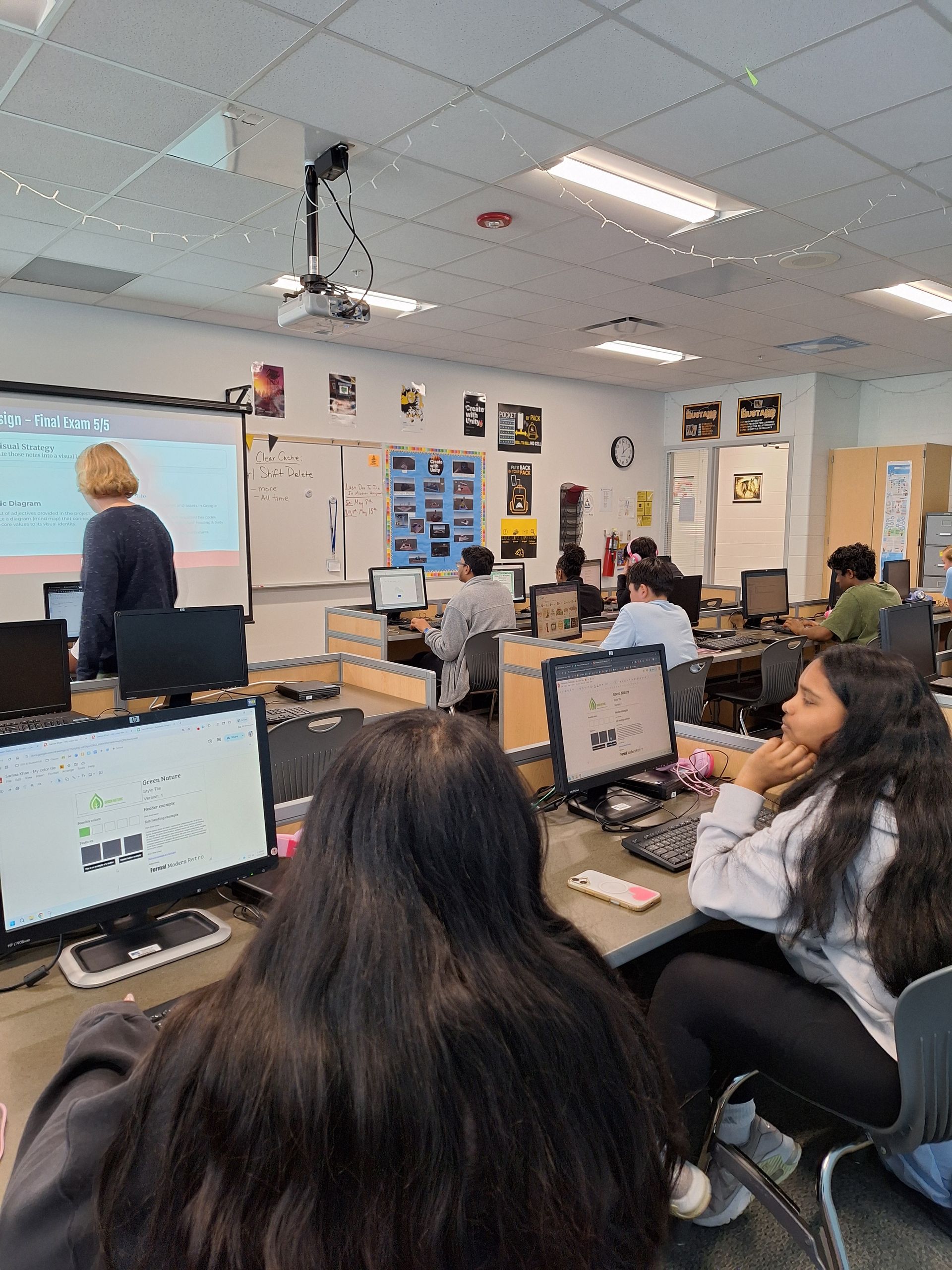
When students operate as junior designers inside a simulated digital agency, they are handed detailed project specifications, documentation, and client briefs. In our Web Design Course modules, reading a project brief requires a hyper-focused level of comprehension. If a student skims past a single requirement regarding user accessibility, font contrast, or layout constraints, their final product will fail to meet the client's needs.
Students must learn to decode dense informational text, extract key technical variables, and translate human desires into concrete layout requirements. This targeted analysis teaches students how to slow down and comprehend complex data—directly reinforcing reading comprehension goals.
Evaluating Outputs with Critical Literacy
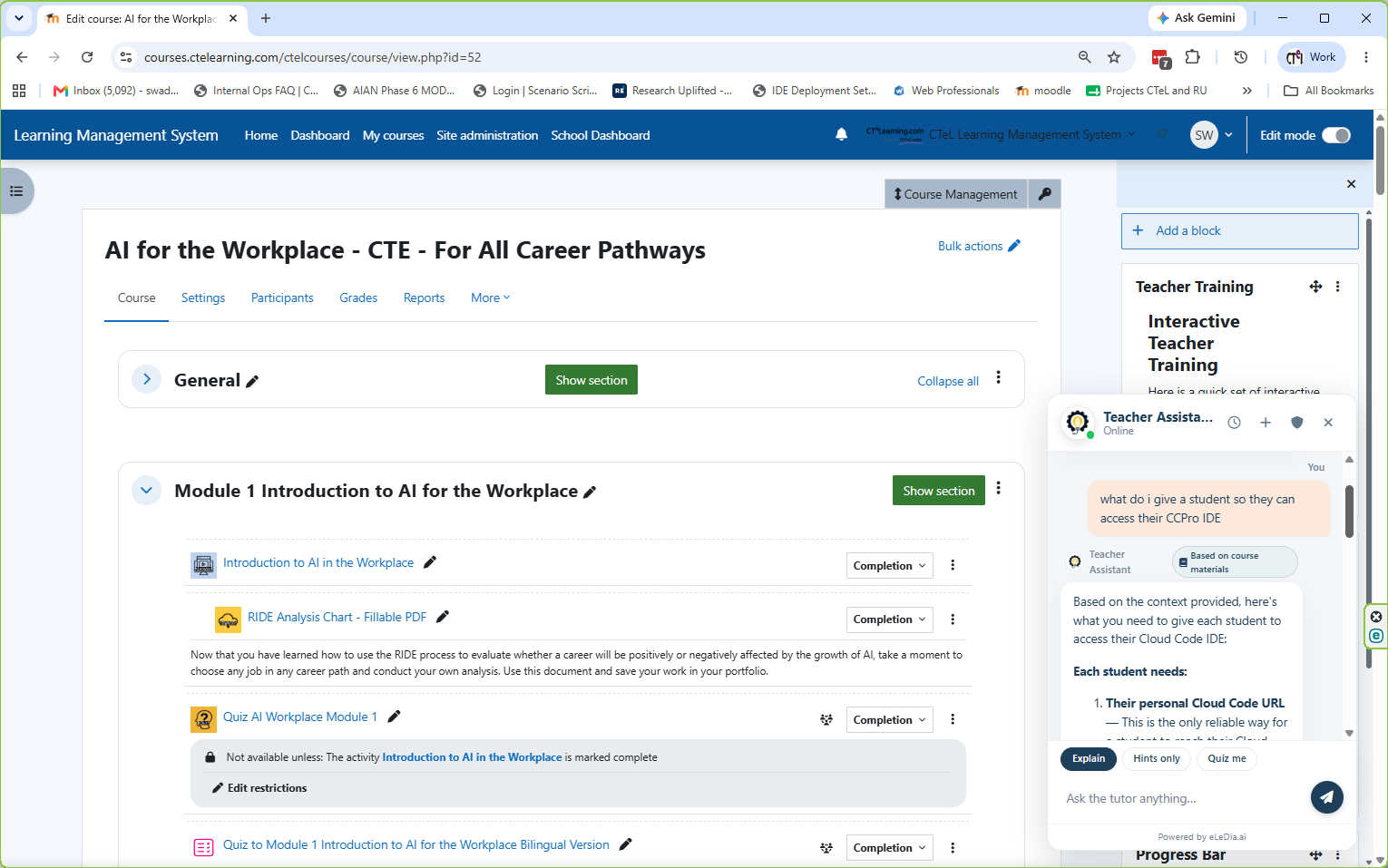
This technical reading requirement becomes even more acute as emerging technology is integrated into the workforce. For instance, in the AI in the Workplace Course, students quickly learn that generative systems are only as effective as the human directing them. Students are explicitly trained to analyze, test, and critique these automated outputs. This verification process demands intense textual reading comprehension. Students must review machine-generated materials, spot subtle data anomalies, and verify facts. This turns passive readers into active, critical evaluators of text—a skill directly transferable to any academic or professional field.
Writing with Purpose: Communication, Storytelling, and the Art of the Pitch
There is a persistent myth that technical fields are quiet, isolating environments. In reality, the modern workplace is highly collaborative. A brilliant technical design, a beautiful animation, or an innovative game mechanic is worthless if the creator cannot articulate its value to a client, supervisor, or investor.
Visual Planning and Narrative Structure
Writing is deeply woven into the creative process, especially when planning animations in our Animation Course. Before students ever touch a digital timeline or render a single frame of motion, they must focus on scripting and storyboarding. Scripting forces students to engage in creative and structural writing. They must learn to tell a concise story, use persuasive language, and format narratives to maximize message impact. This process teaches students how to organize their thoughts, develop a narrative arc, and eliminate unnecessary fluff—the exact skills required to write a compelling academic essay.
Professional Pitching and Business Communication
Similarly, when tackling projects in our Web and Mobile Game Design course, students act as professional developers within a virtual internship simulation. Part of their journey involves project management, documentation, and learning how digital experiences function as part of a dynamic branding or marketing strategy. To succeed, students must write formal project pitches and design documents. They must choose their words carefully to explain how a narrative unfolds or how mechanics align with user engagement goals. This is authentic, purposeful, professional writing that mirrors the communication demands of the corporate world.
The Ultimate Problem-Solving Engine: Cultivating Advanced Critical Thinking
Critical thinking is often treated as an abstract concept, but in a STEM environment, it becomes completely tangible. It is the ability to evaluate a situation, identify hidden problems, analyze data, and iterate toward a solution. CTeLearning integrates dedicated
Critical Thinking in the Workplace modules directly into its courses to ensure students learn how to think on their own and analyze what they see and hear.
Deconstructing Complex Problems and Debugging
When students dive into building web and mobile games, they are immediately forced to flex their critical thinking muscles through systemic troubleshooting. Programming a mechanic or adjusting gameplay parameters means anticipating cause-and-effect relationships. If a character falls through a digital floor or a scoring system fails to trigger, guessing does not work.
Students must deploy critical thinking to deconstruct the problem: they isolate variables, form hypotheses about where the error lies, test their theories, and evaluate the outcomes. This cycle of diagnostic thinking trains the brain to approach massive, intimidating challenges by breaking them down into small, manageable parts.
Evaluating Ethics and Strategy in Real-Time
Critical thinking also means looking at the bigger picture, analyzing data bias, and evaluating risk. When studying AI in the workplace, students don't just use tools blindly; they think critically about their operational, legal, and ethical boundaries. They learn to question sources, analyze outputs for underlying bias, and determine when a tool adds value versus when it introduces risk.
Similarly, in web design, students must think critically about human behavior and user experience (UX). They analyze how a user's eye moves across a screen, evaluate color contrast for accessibility compliance, and structurally map out how information scales across different devices. This forces high-level strategic thinking where students must constantly put themselves in someone else's shoes to solve structural problems.
Conclusion: Bridging the Academic Divide
For too long, education has treated the humanities and STEM disciplines as two entirely separate tracks. Students are often boxed in as either "creative writers" or "technical minds."
CTeLearning's industry-validated curriculum shatters this false dichotomy. By embedding reading comprehension, technical and creative writing, and rigorous critical thinking directly into project-based learning, these courses prove that technical mastery and core academic literacy are fundamentally interdependent.
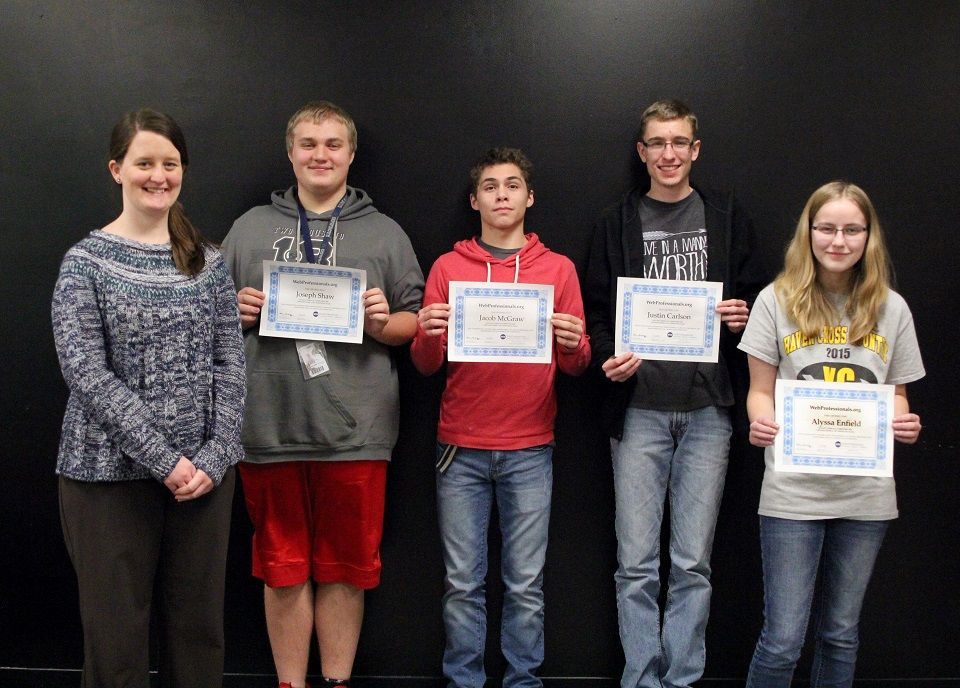
When a student successfully navigates these courses and earns an industry-recognized credential from organizations like Web Professionals Global, they walk away with more than just a certificate. They exit the classroom with a robust, stackable set of cognitive and communication skills. They have proven that they can read critically, communicate their ideas elegantly, and approach complex real-world issues with rock-solid problem-solving abilities. That is exactly what true career readiness looks like.
Contact Us Today
Ready to empower your students with the blended technical and academic skills they need to succeed in tomorrow's workforce? Contact us today to learn more about our courses, request a free curriculum demo, or speak with an educational specialist.