As Career and Technical Education (CTE) Directors, department heads, and educators prepare their classrooms for the 2026–2027 school year, turning high-level workforce trends into turnkey, classroom-ready instruction remains a top priority.
Agriculture Education teachers are constantly seeking innovative ways to introduce modern technology and broaden career opportunities for their students. Our
Horticulture and Sustainable Landscape Design curriculum does exactly that. Designed for maximum flexibility, it can easily deploy as a standalone course or seamlessly integrate into your existing Ag Ed and Horticulture program to modernize your pathway.
The green industry—now valued at over $167 billion—continues to evolve rapidly. Modern landscaping is no longer about basic maintenance; it is driven by climate resilience, smart irrigation, urban agriculture, and ecological design logic. At CTeLearning, our mission is to ensure your CTE pathways reflect these modern workforce standards without increasing teacher prep stress or district hardware costs.
Earlier this spring,
we published an article highlighting why human intuition and ecological logic make sustainable landscape design a future-proof career path in the age of AI. Today, we are excited to announce our Summer 2026 Course Updates for the Horticulture and Sustainable Landscape Design pathway, designed to make your 2026–2027 implementation smoother, more interactive, and directly aligned with Perkins V funding requirements.
Hear from Christin Fortenberry of Miller Grove ISD in Cumby, TX, who will be using our Horticulture and Sustainable Landscape Design course in the 2026-2027 school year with her students:
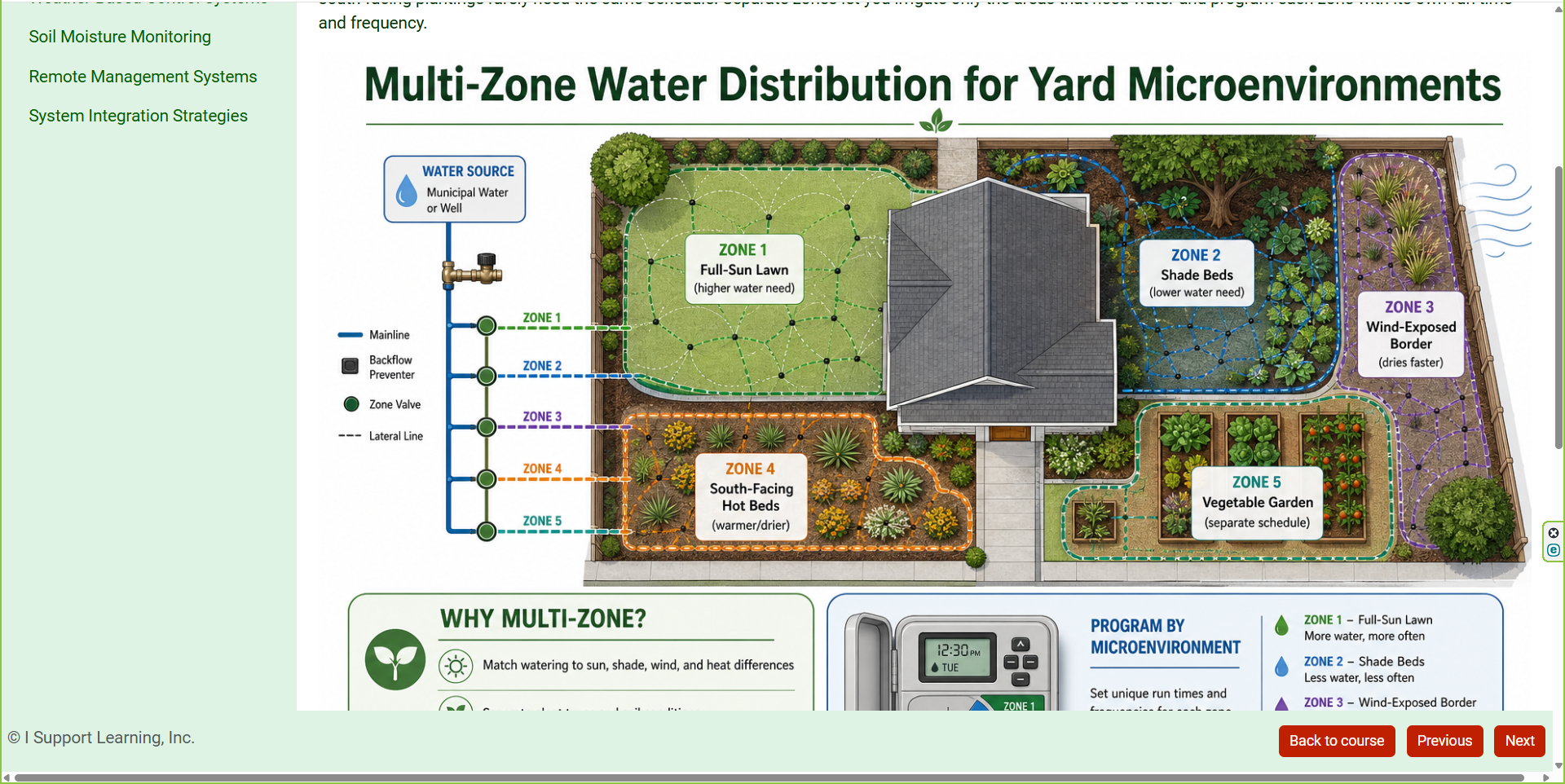
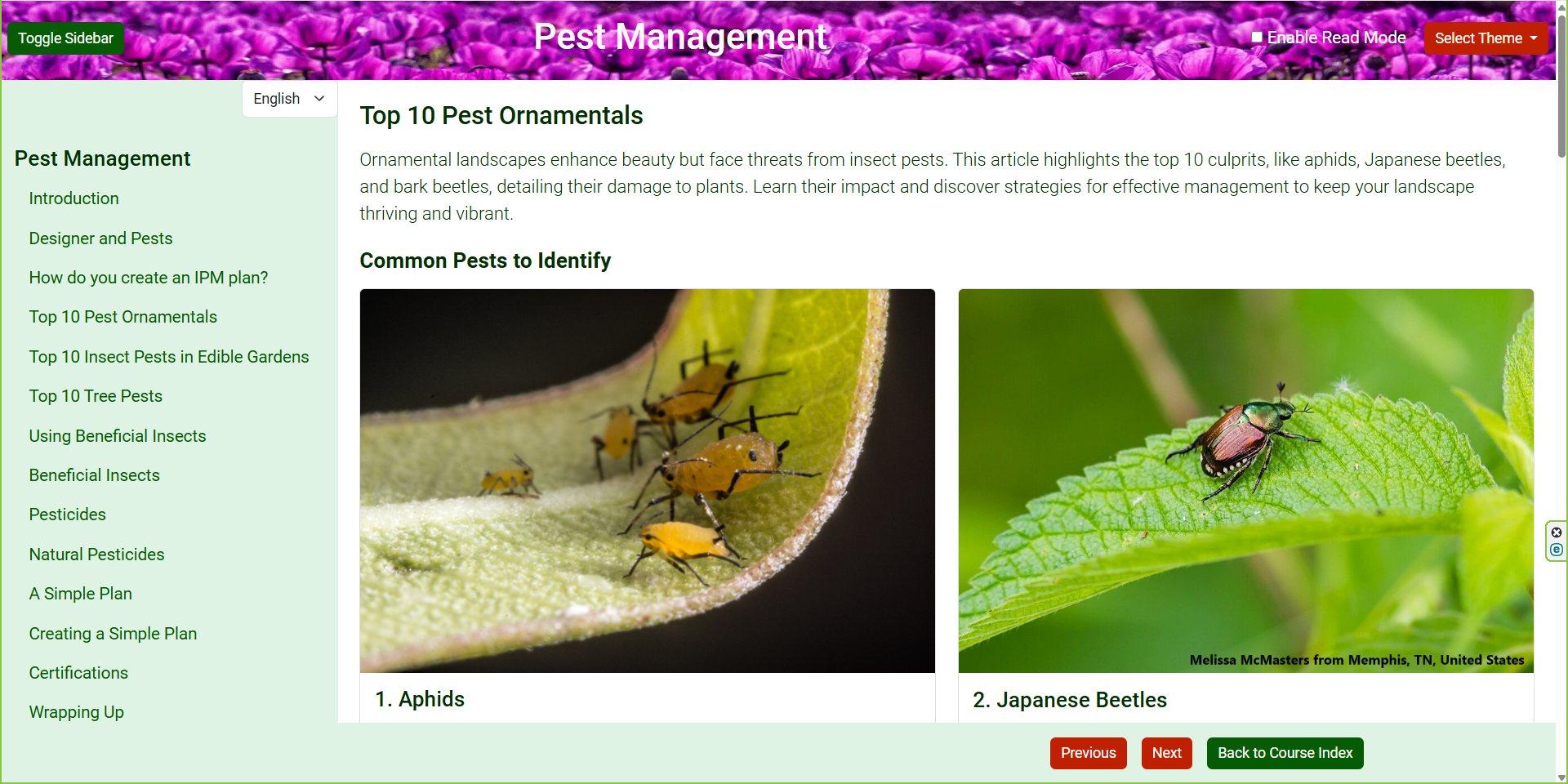
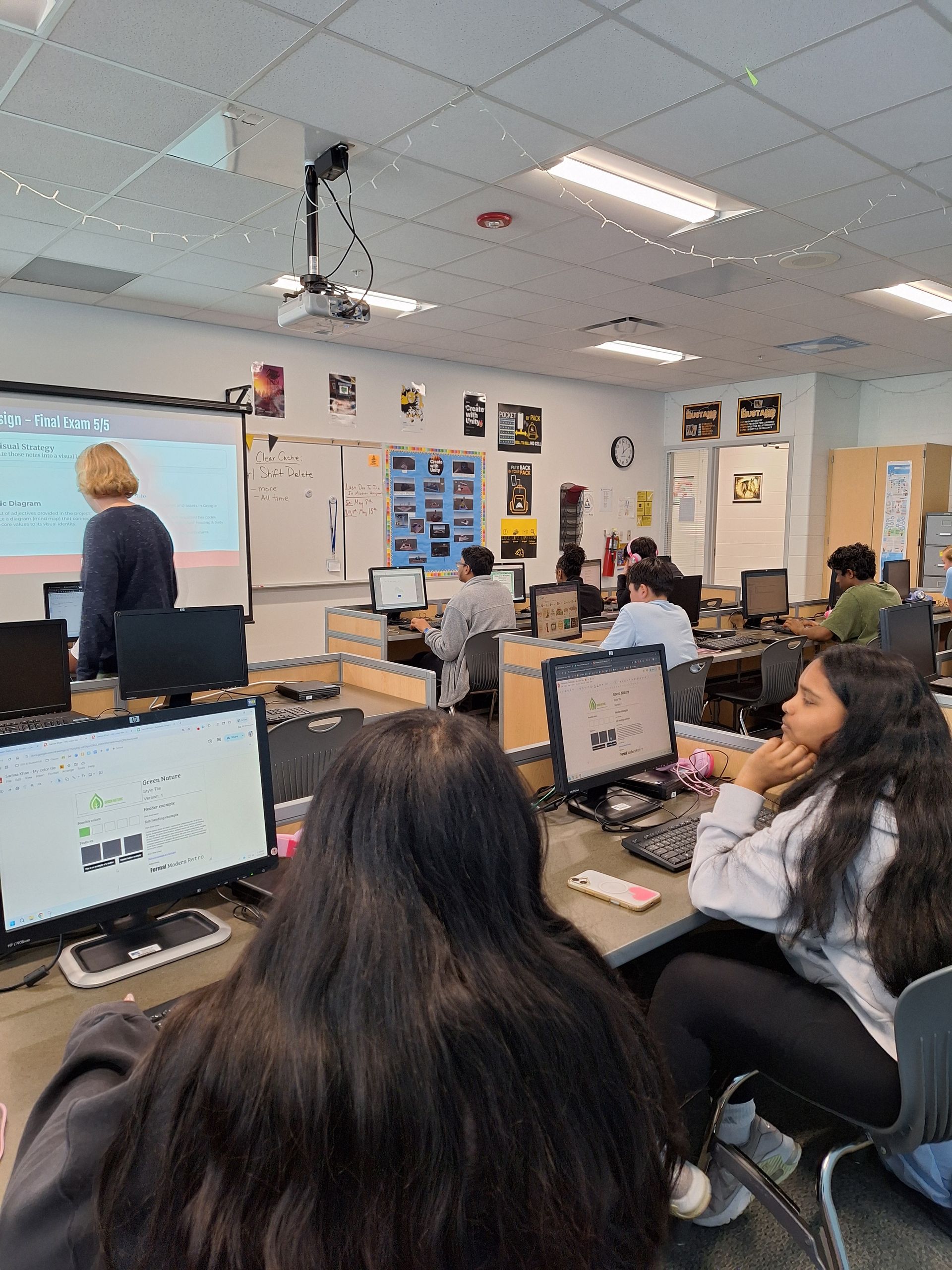
“When I got off the demo with you the other day, the thing I was most excited about was that it’s interactive with the kids. It’s not just a paper worksheet that says, ‘Look up and research about this.’ It’s actually letting the kids see it, hear it, and live the life of a landscape designer. The lesson design has a balance to it: detailed, but simple. It’s not too much. Kids don’t want to spend umpteen million hours just sitting there reading a research paper. The course is about doing—visual, infographics, bullet points, and more—and so is my teaching style. When it comes to the learning approach, we are on the same wavelength with what you have created. I am seeing it right here on the screen.”
Let’s take a look at some of the updates teachers are excited about for this year.
Platform Enhancements
Our updated 2026–2027 platform includes upgrades and offers a streamlined digital environment designed for maximum accessibility and ease of use for both teachers and students:
- Innovative Virtual Internship Project-Based Learning:
This approach gives learners the chance to test-drive this career while building a relevant career portfolio.
- Increased Flexibility:
Teachers can teach as a standalone course or drop units into an existing Ag Ed course.
- Streamlined Student Portfolios: Students can export digital blueprints, plant growth projections, and client proposals directly into their career-ready digital portfolios.
- Easy Deployment:
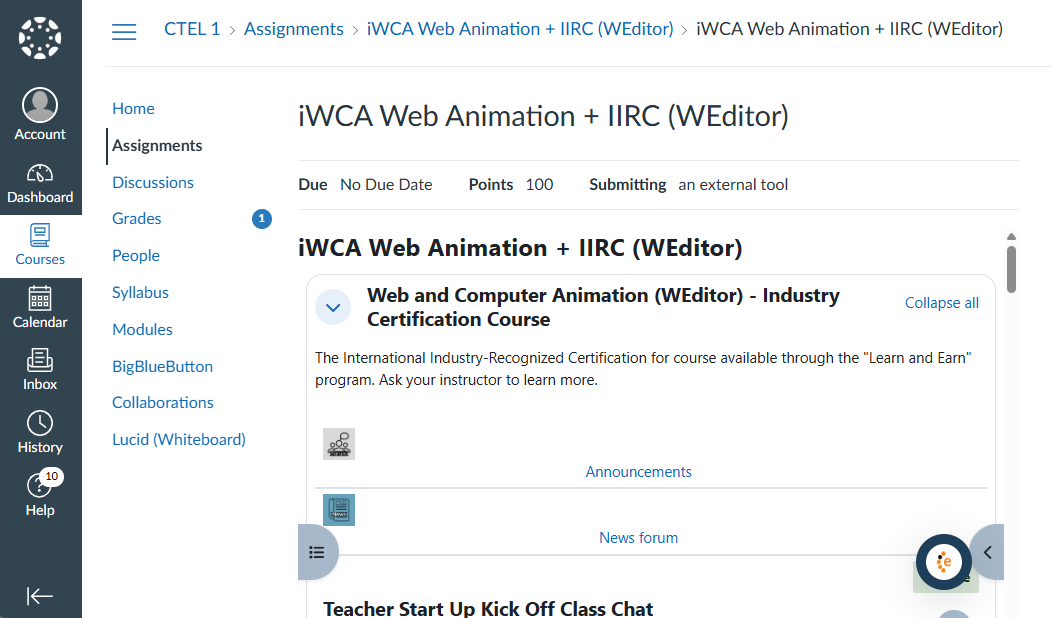
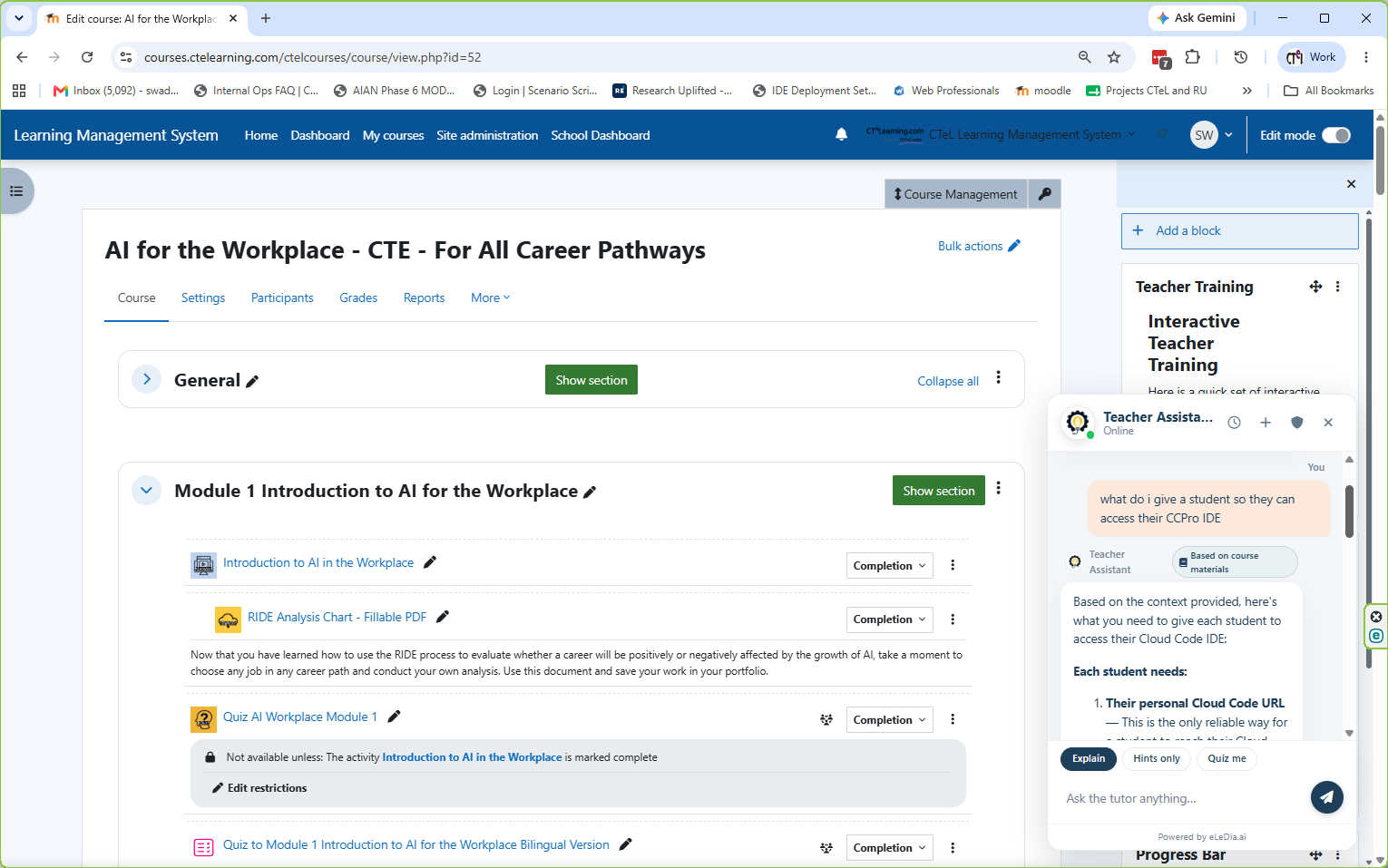
With just a username and password, your students can begin using the course on any device.
Perkins V Alignment & Workforce Readiness
Every update made to the CTeLearning curriculum is engineered to help administrators fulfill Perkins V requirements for high-skill, high-wage, and in-demand occupations under the Agriculture, Food & Natural Resources career cluster and state standards. Contact us for more information on your specific state.
Turnkey Resources for Teachers
We know August is a race against the clock. Our 2026–2027 updates include refreshed teacher support materials designed to minimize prep time so educators can focus on facilitating student learning:
- Complete Turnkey Lessons: Day-by-day pacing guides adaptable for semester or year-long courses.
- Automated Assessment Tools: Built-in grading rubrics, quizzes, and project tracking.
- Bilingual & Accessibility Features: Section 508 and WCAG 2.1 AA compliant, with multilingual learner support to ensure inclusive access for all students.
Our founder and lead developer, Steve Waddell, has this to say about the course:
“When we design our updates, we look at the evolving demands of the green industry and the daily reality of the CTE classroom. The 2026–2027 updates to our Sustainable Landscape Design pathway hit that sweet spot. Students get an immersive, hands-on design experience that reflects modern industry standards, while teachers get a turnkey, Perkins V-aligned curriculum that runs seamlessly on any hardware. The team and I are thrilled to roll these features out to educators this August. We are so excited to see what the students will do with it.”
Ready to Launch Your 2026–2027 Green Pathway?
Whether you are launching a new Horticulture & Sustainable Landscape Design program or updating an existing CTE pathway, CTeLearning provides the curriculum, software, and teacher support to ensure success from day one.
Further Reading
Read our deep dive on why sustainable landscape design teaches the skills AI can't match
Read more about our recent Canvas LMS integration