When high school graduates sit across from a hiring manager at a local tech startup, a landscape architecture firm, or an interactive media studio, they often face a single, decisive question: "Can you show me what you’ve built?"
Modern industries—from software development and game design to agricultural engineering—demand verified, visual proof of work. They need to see that a student can translate classroom concepts into functional, real-world assets. In this article, we’ll explore how CTeLearning prepares students for the workforce with not just industry-recognized certifications, but with complete, real-world project portfolios that prove their hands-on capability from day one.
To bridge the gap between classroom learning and career readiness, Career and Technical Education (CTE) programs must focus on performance-based validation. Pairing industry credentials directly with hands-on, portfolio-based proof ensures graduates walk into job interviews and college admissions offices with professional-grade output.
Moving Beyond Paper Credentials: Demonstrating True Practical Mastery
In technical pathways, having a credential is only meaningful if it reflects actual hands-on capability:
- Static Concept Knowledge: Knowing definitions or theoretical steps in isolation.
- Real-World Employer Needs: Demanding applied problem-solving, responsive troubleshooting, and visual, tangible output.
A student might know the concept behind CSS flexbox properties or architectural scale factors, but can they build a responsive website or draft a viable structural plan? When our industry partners sit on advisory committees, they consistently point out that new hires must hit the ground running with practical execution, workplace ethics, and creative problem-solving skills.
A credential carries true weight when it proves a student can perform the job by actually doing the work.
Earning Credentials by Doing and Building
Unlike certifications from traditional testing companies that rely heavily on multiple-choice exams, our credentials are derived entirely from doing the work. Students don't just study concepts to pass a test; they earn industry-recognized certifications by actively designing, coding, and building functional projects. Every module, exercise, and milestone contributes directly to a live portfolio that serves as the true validation of their skills. When a student earns a credential through CTeLearning, it proves they have successfully executed real-world tasks—giving employers complete confidence in their practical capabilities.
This approach transforms the learning process into an inviting, hands-on journey where students actively construct a portfolio that proves their capability to future employers from day one.
What Does "Proof of Work" Look Like Across CTE Pathways?
Building a professional portfolio isn't about saving a collection of random classroom assignments. It requires scaffolded, project-based learning where every assignment simulates a real-world client request or practical challenge.
Here is how we structure portfolio deliverables across
our courses:
1. Web Design
Constructing fully responsive, multi-page websites and web applications using HTML5, CSS3, and JavaScript. Students deploy functional sites that adjust across screens, meet Section 508 web accessibility standards, and include dynamic user interactions.
2. Web and Mobile Game Design
Designing, prototyping, and coding playable 2D and 3D games. The portfolio includes game design documents (GDD), custom character sprites, playable levels, user-testing feedback logs, and sound design integration. applying color theory, understanding accessibility, designing with multiple devices in mind, professional level game and app testing processes.
3. Web Animation
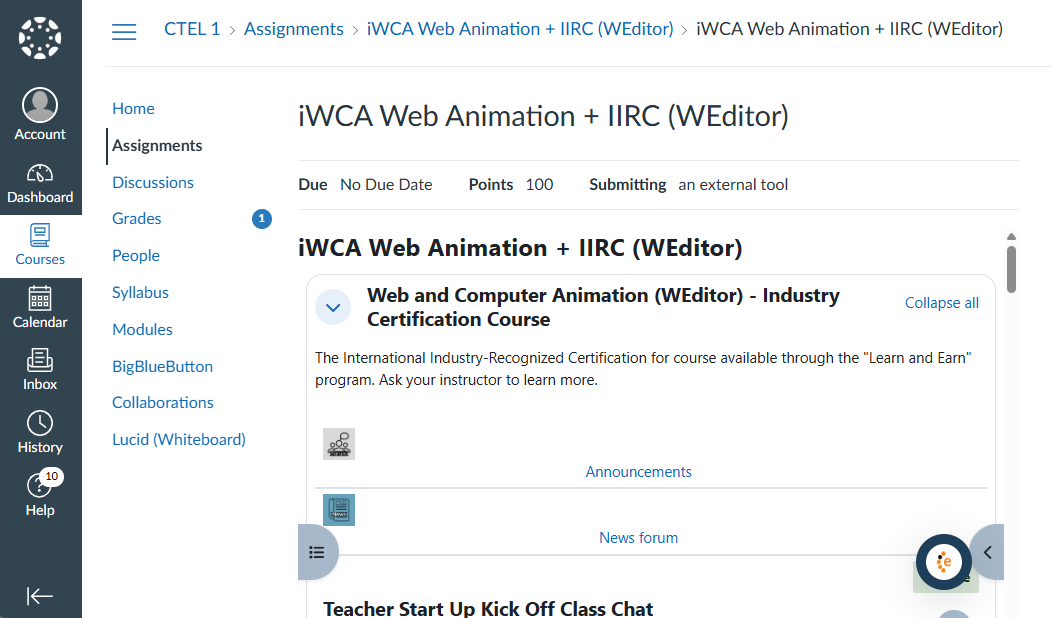
Designing vector-based animations, building interactive user interfaces, and scripting motion graphics using standard web technologies. Students demonstrate their ability to bring static designs to life with dynamic storytelling, smooth user experiences, and optimized performance across modern browsers. Ability to apply the 12 basic principles of animation, ability to create visual tension in scenes, building sound effects and music into soundscapes that amplify a scene.
4. Sustainable Landscape Design & Architecture
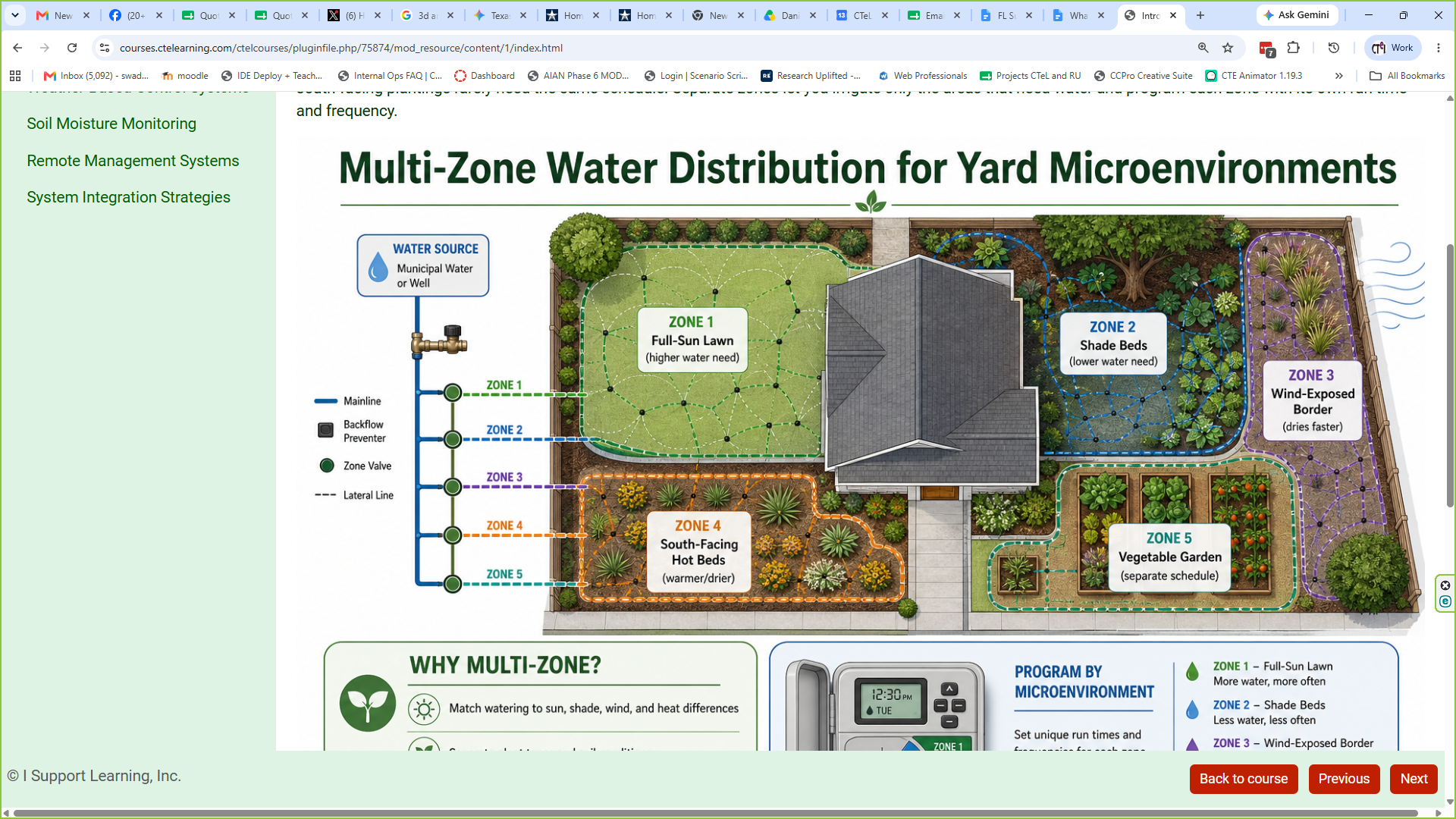
Creating scaled site plans, 3D architectural renderings, irrigation budget schedules, and client pitch decks. Students showcase their ability to balance environmental aesthetics, regional math requirements, and real-world client constraints. understanding soil science, testing , collecting data, and developing soil amendment plans, integrated pest management, and applied professional water management
5. Workplace AI & Ethics AI for the Workplace
Conducting algorithmic bias audits, creating AI prompt workflows for specific business use cases, and writing ethical technology usage policies. How to communicate with clients honestly and carefully to protect their personal and corporate information. Students demonstrate that they understand how to use one of the most powerful modern tools responsibly without violating intellectual property, privacy laws or basic business ethics.
How We Help Educators Structure Portfolio-First Classrooms
Transitioning to a portfolio-driven CTE pathway doesn't require teachers to spend hundreds of hours grading unstructured files or building custom websites for every student.
Through our engaging CTeLearning courseware, we make portfolio building an organic, automated part of daily instruction:
1. Interactive "Virtual Internships"
Rather than assigning abstract exercises, we frame our coursework around real-world industry scenarios. Students step into the role of junior developers, designers, or consultants working for simulated clients. This hands-on approach teaches student project management, client communication, and intellectual property ethics alongside core technical skills.
2. Cloud-Native, Browser-Based Access
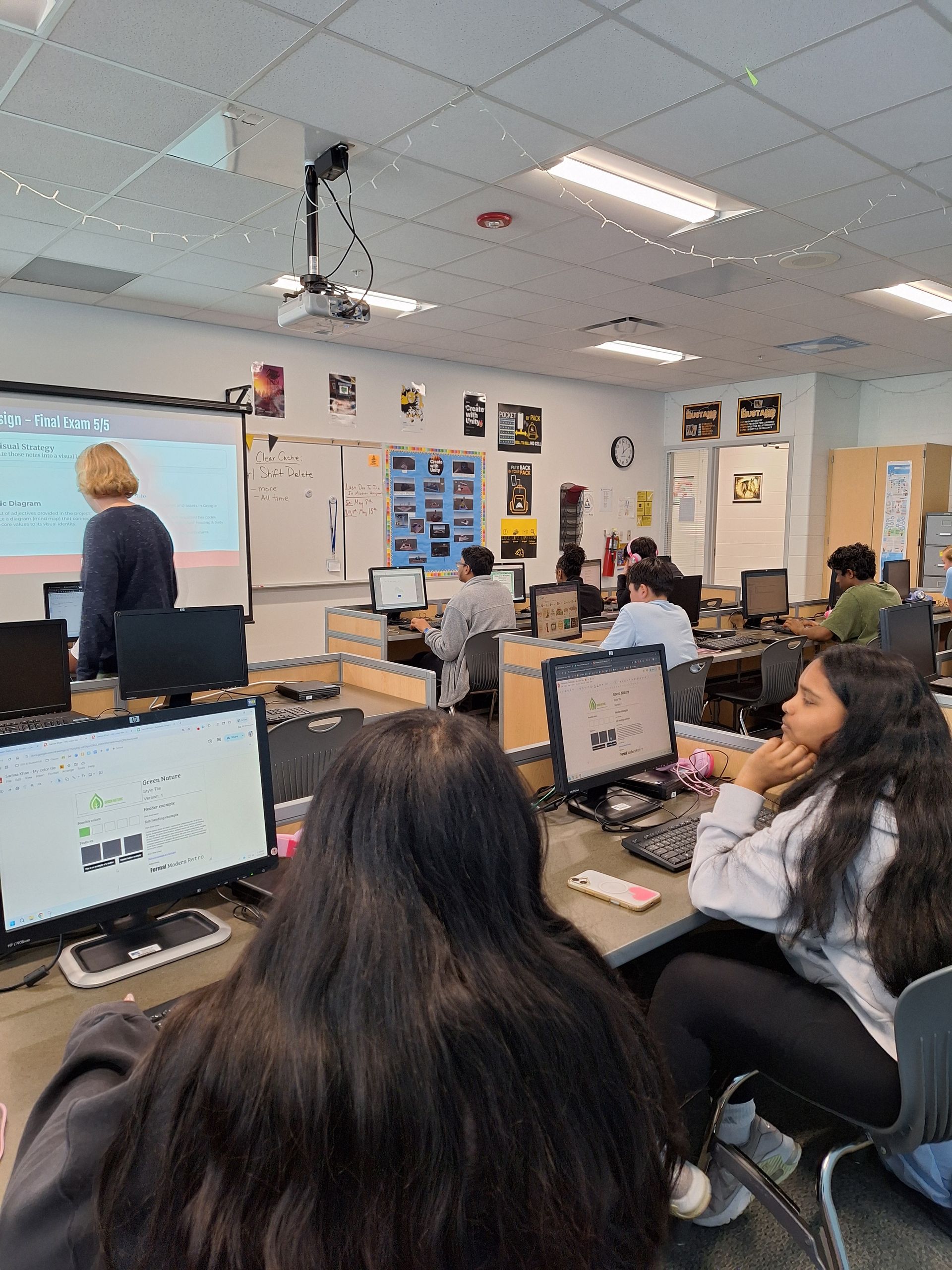
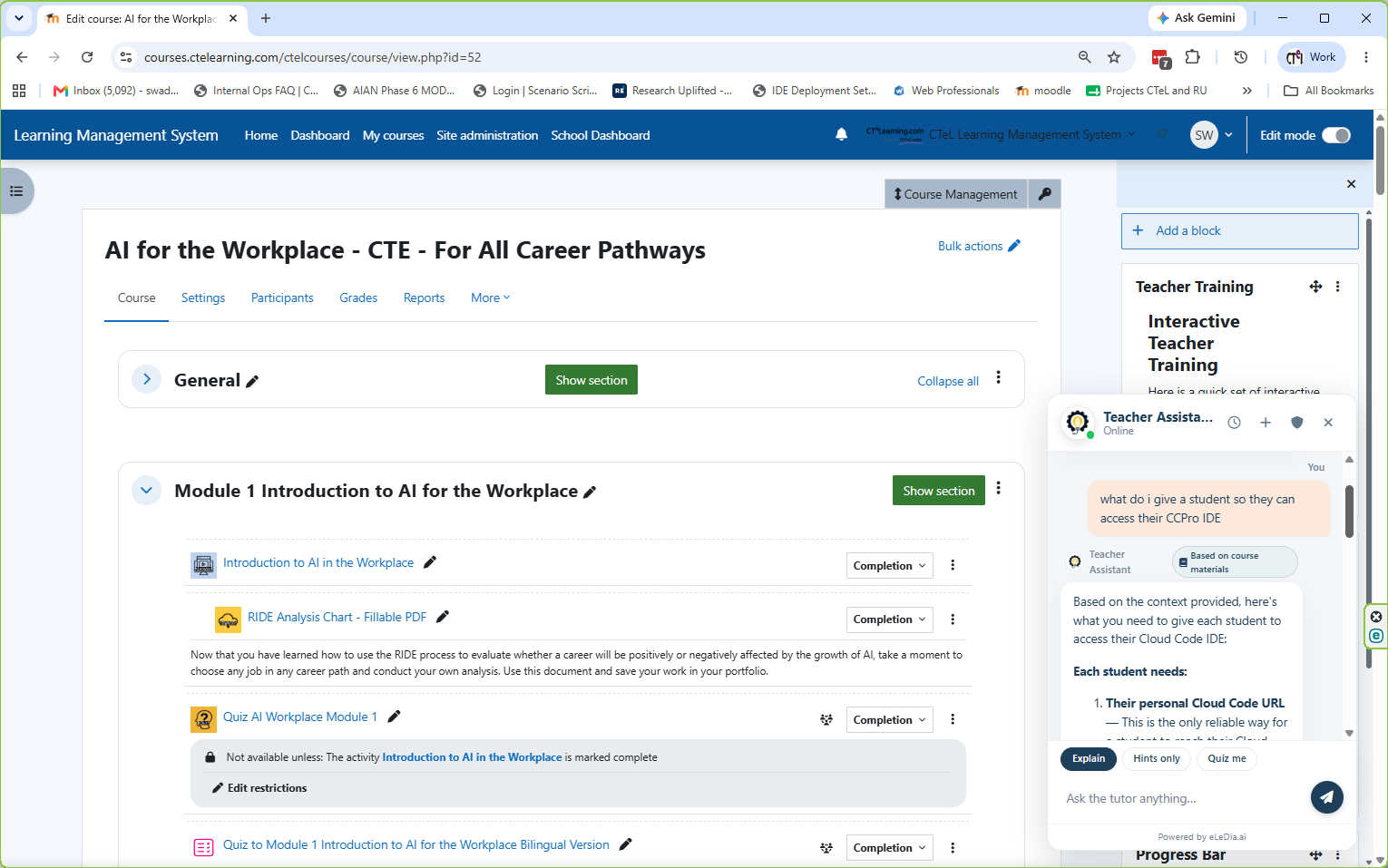
Hardware barriers often stall portfolio development. If student work is trapped on a physical lab computer, they cannot easily share it with prospective employers or college admissions boards. Our cloud-native, browser-based curriculum allows students to build, host, and edit their projects on any device—including Chromebooks—without software downloads. Our proprietary Cloud Code Pro v2 IDE allows students to build their projects and teachers to monitor and mentor. Our CTe Animator allows students to create any time, anywhere with any Chromebook, PC or Mac.
3. Stackable Micro-Credentials Awarded Through Performance
We break large, year-long pathways down into bite-sized micro-credentials. As students successfully design and build specific deliverables—such as CSS Layouts, 3D Asset Creation, or Workplace Ethics policies—they earn micro-credentials that attach directly to their online portfolios. These credentials are earned through practical application, giving hiring managers a clear roadmap of verified competencies.
4. A Live Portfolio URL for Every Graduate
A folder of raw documents on a flash drive isn't a portfolio. We ensure every student can build and curate a single, live portfolio URL. This centralized page features their bio, showcases their earned credentials, hosts their functional projects, and provides clear context for each deliverable.
The Employer Perspective: Why Advisory Committees Favor Portfolios
Workforce Development Boards and CTE Advisory Committees play a crucial role in shaping district programs. When administrators ask business leaders what they look for in secondary graduates, the feedback is consistent:
- Reduction in Onboarding Time: Employers spend less time retraining hires who have already completed client-style projects.
- Verification of Problem-Solving Abilities: A portfolio reveals how a student handles project revisions, errors, and layout constraints in real time.
- Soft Skill Evaluation: Reading a student's project descriptions demonstrates their written communication skills, attention to detail, and professional tone.
When school districts present portfolio-backed pathways to local business boards, industry engagement increases. Local employers become more willing to offer internships, guest lectures, and job shadow opportunities because they can clearly see the quality of work generated in the classroom.
Turnkey Career Pathways with CTeLearning
At CTeLearning, we are passionate about helping students turn their curiosity into tangible, career-ready skills. We believe every student deserves proof of their hard work that carries real weight in the professional world.
Our project-based, turnkey CTE and STEM pathways deliver authentic career readiness:
- Credentials Earned by Building: Our courses feature stackable credentials from international organizations like
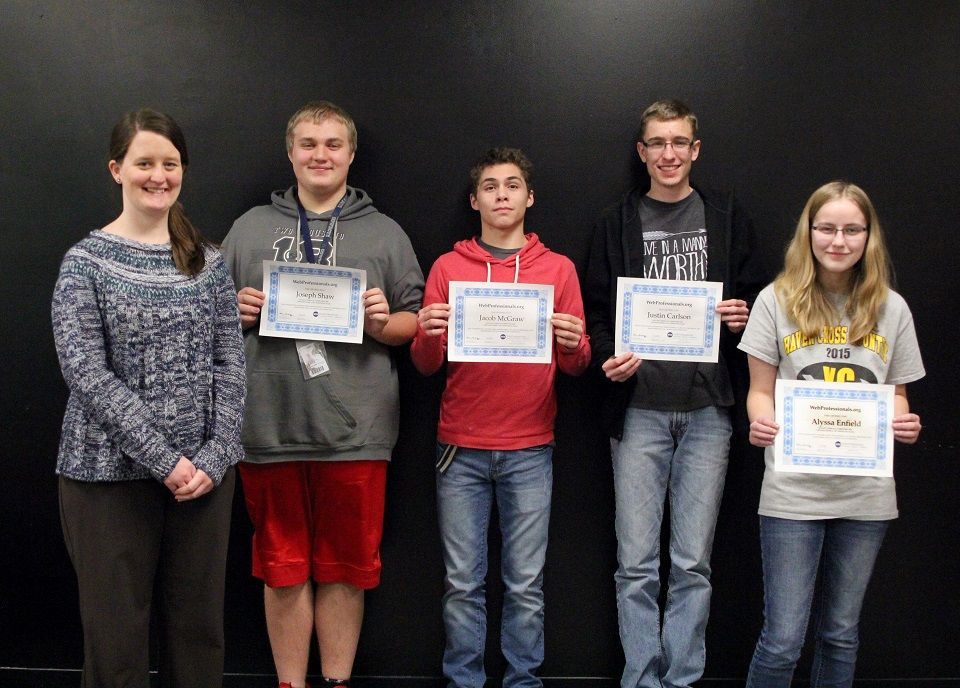
Web Professionals Global that students earn directly by completing real-world projects and constructing their portfolios.
- 100% Browser-Based Learning: We help you eliminate IT bottlenecks with cloud-native courseware that runs seamlessly on Chromebooks, PCs, and Macs without software downloads.
- Portfolio-First Pedagogy: From Web Design and Coding to Game Design and Sustainable Architecture, we guide students through virtual internships that yield professional, employer-ready portfolios.
Our Founder and Lead Developer, Steve Waddell, emphasizes why this proof-of-work model is so vital for high schoolers stepping into their futures:
"When a student sits down for a job or college interview, nothing speaks louder than showing what they can actually do. An interviewer wants to see proof of work—how a student thinks, solves problems, and creates value. At CTeLearning, our entire focus is equipping teachers with the tools they need so their students walk out of high school truly prepared for the real world, no matter what path or career they choose to pursue."
We're here to help your students start doing, building, and preparing for their futures today.
Explore our
High School CTE Curriculum Pathways to see how our platforms transform learners into career-ready professionals and request your free demo today.
Get in Touch & Request a Demo: