Geographic isolation should never determine a student’s career trajectory, yet rural school district leaders face a compounding web of operational hurdles when launching modern Career and Technical Education (CTE) pathways. Lower overall student enrollment yields smaller per-pupil funding allocations, making it nearly impossible to justify dedicated computer labs or specialized full-time staff for niche technical subjects. At the same time, rural communities often lack proximity to major technology hubs, creating a scarcity of local corporate partners for physical work-based learning placements, traditional internships, and industry mentorships.
To bridge this gap, forward-thinking districts turn to us at CTeLearning to deliver scalable, industry-aligned career pathways without requiring heavy local infrastructure investments. These structural financial challenges are severely compounded by aging network backbones, inconsistent rural broadband access, and legacy 1:1 hardware fleets. Resource-intensive desktop applications frequently lag, freeze, or fail to load altogether, making high-end GPU workstation upgrades an immediate financial non-starter for small-district budgets. Meanwhile, rural educators are routinely asked to manage three to five distinct course preps across different grade levels every day while balancing extra-curricular duties. Overcoming these systemic barriers requires a web-native strategy like our browser-based courseware, which bypasses hardware bottlenecks while directly relieving the administrative strain placed on local teaching staff.
Rural Teachers: Taking On More Than Ever Before
In a large suburban high school, a computer science teacher might spend their entire career teaching three sections of introductory coding and two sections of AP Computer Science. In a rural district, that luxury rarely exists. A single rural educator might be tasked with teaching middle school digital literacy, high school business management, web design, and graphic communications—all while serving as the campus technology coordinator or CTE department chair. Expecting a multi-prep teacher to spend their evenings writing daily lesson plans, debugging student code line by line, building project rubrics, and tracking shifting industry standards across multiple disciplines is unsustainable and leads straight to burnout.
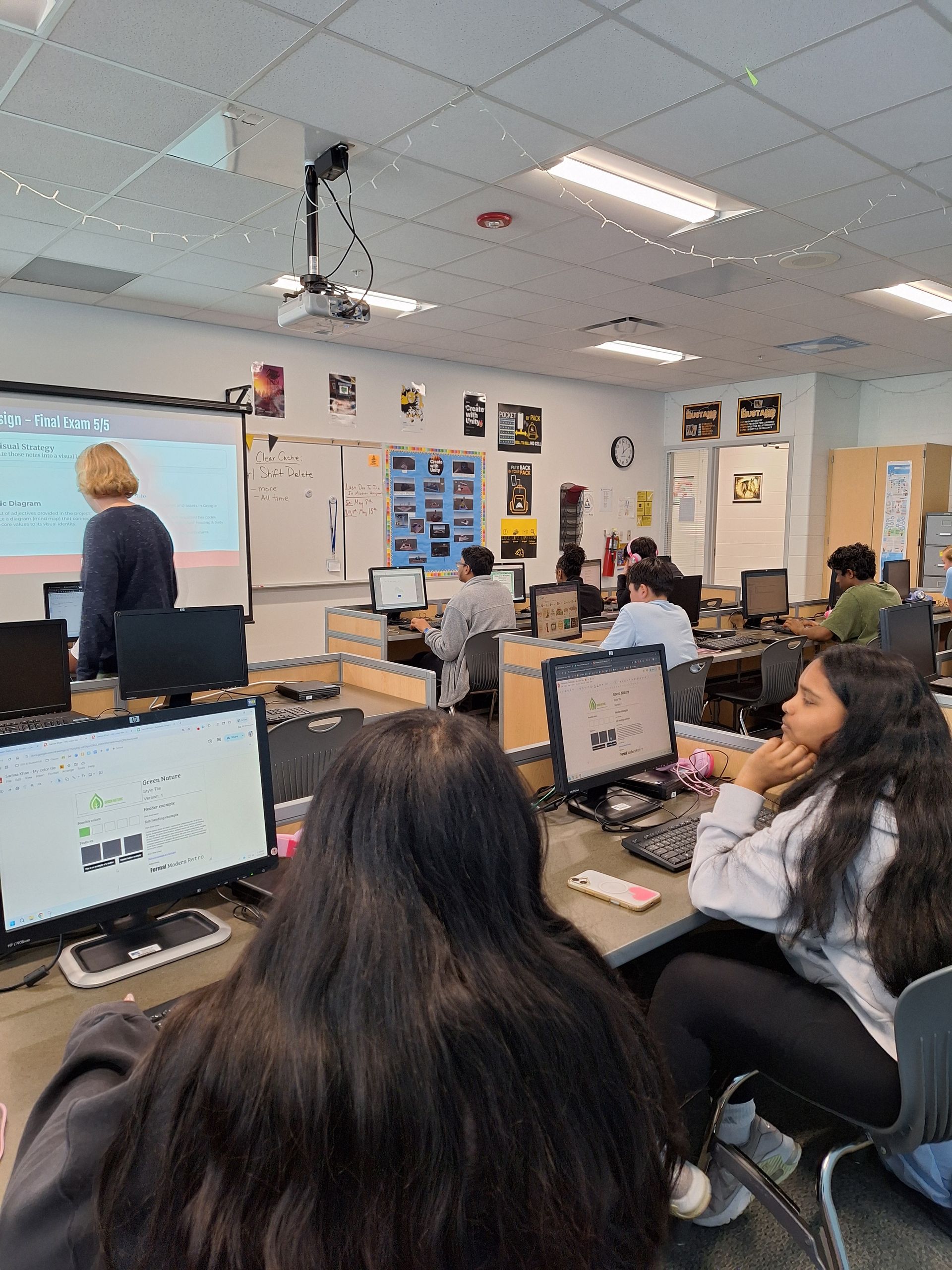
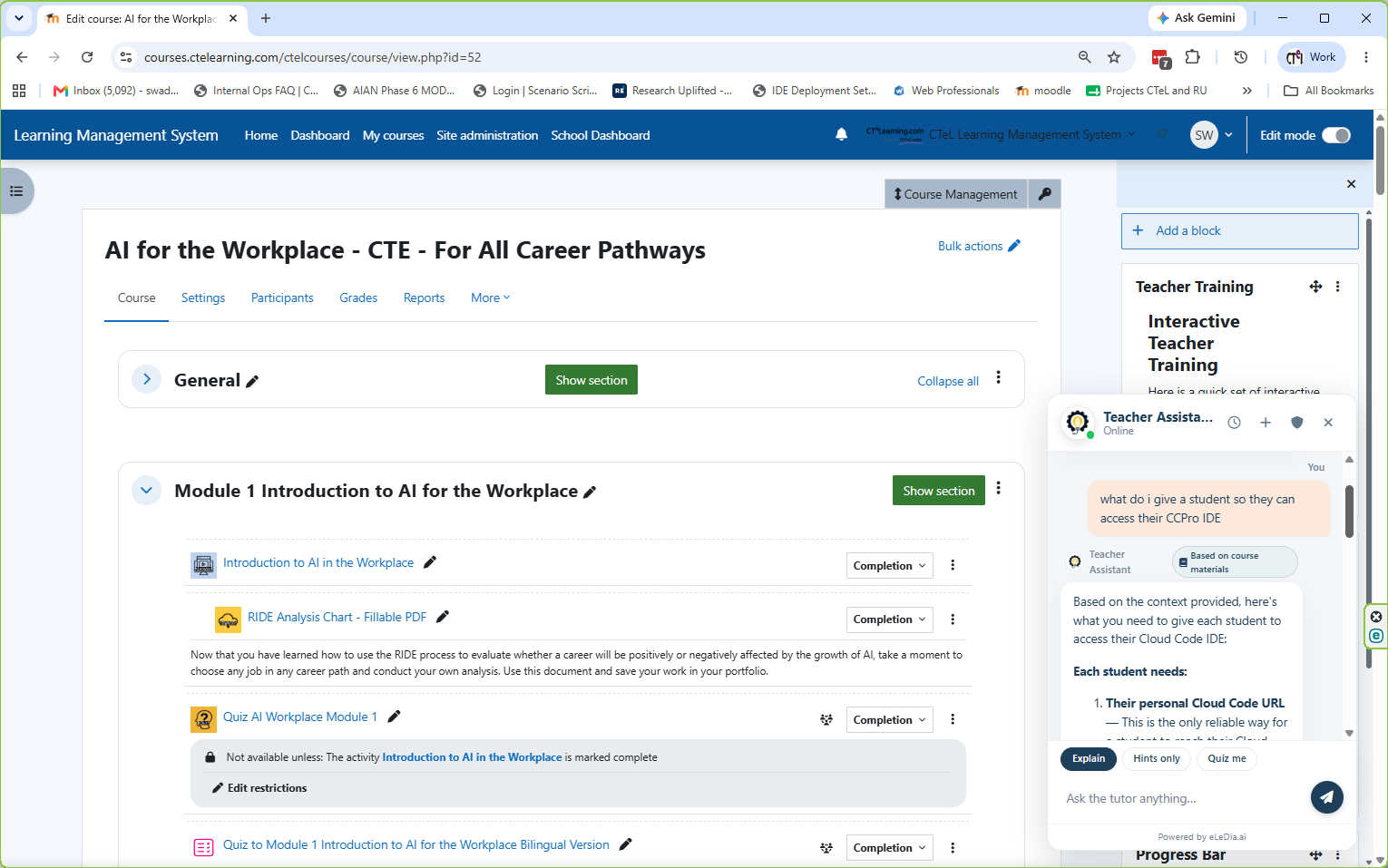
Rural educators do not need to be master software engineers or digital animators to deliver world-class technical education. When equipped with our cloud-native, self-paced curriculum, the teacher's role naturally evolves from a burdened subject-matter lecturer into an effective learning facilitator. Direct instruction is embedded into media-rich tutorials, concept breakdowns, and professional workflow guides that deliver content directly to the student. This shift removes the expectation for teachers to act as all-knowing subject matter experts, allowing them to focus on mentoring, student engagement, and classroom management.
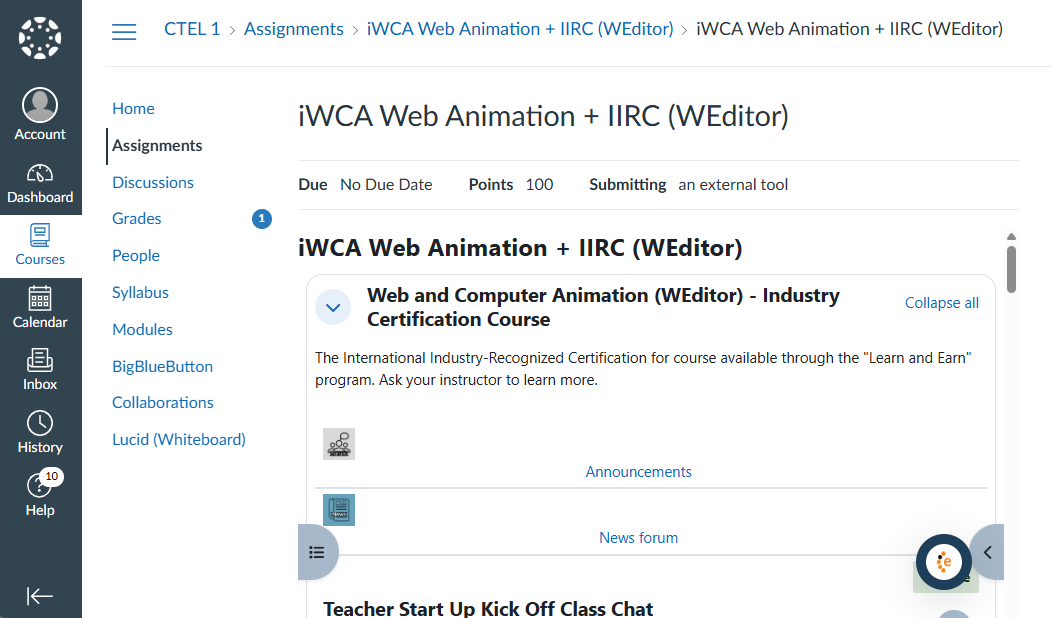
Furthermore, with our courseware, teachers do not even need to spend time prepping. Everything required to run a rigorous lab is integrated into our environment from day one. Automated quizzes, knowledge checks, and instant code verification handle the bulk of assessment work, saving educators more than ten hours of administrative paperwork each week. When technical roadblocks do arise, teachers aren't left stranded; direct access to our master curriculum developers provides a permanent safety net, ensuring educators never feel on their own when navigating complex student questions.
High-Tech Pathways Without Broadband or Hardware Strain
A major hurdle for rural schools is the "hardware tax" imposed by traditional educational software. Industry-standard desktop applications often demand local administrative installations, large storage footprints, high-end graphics cards, and massive internet bandwidth to function properly. This creates an immediate equity gap for underfunded districts that rely on modest 1:1 student devices.
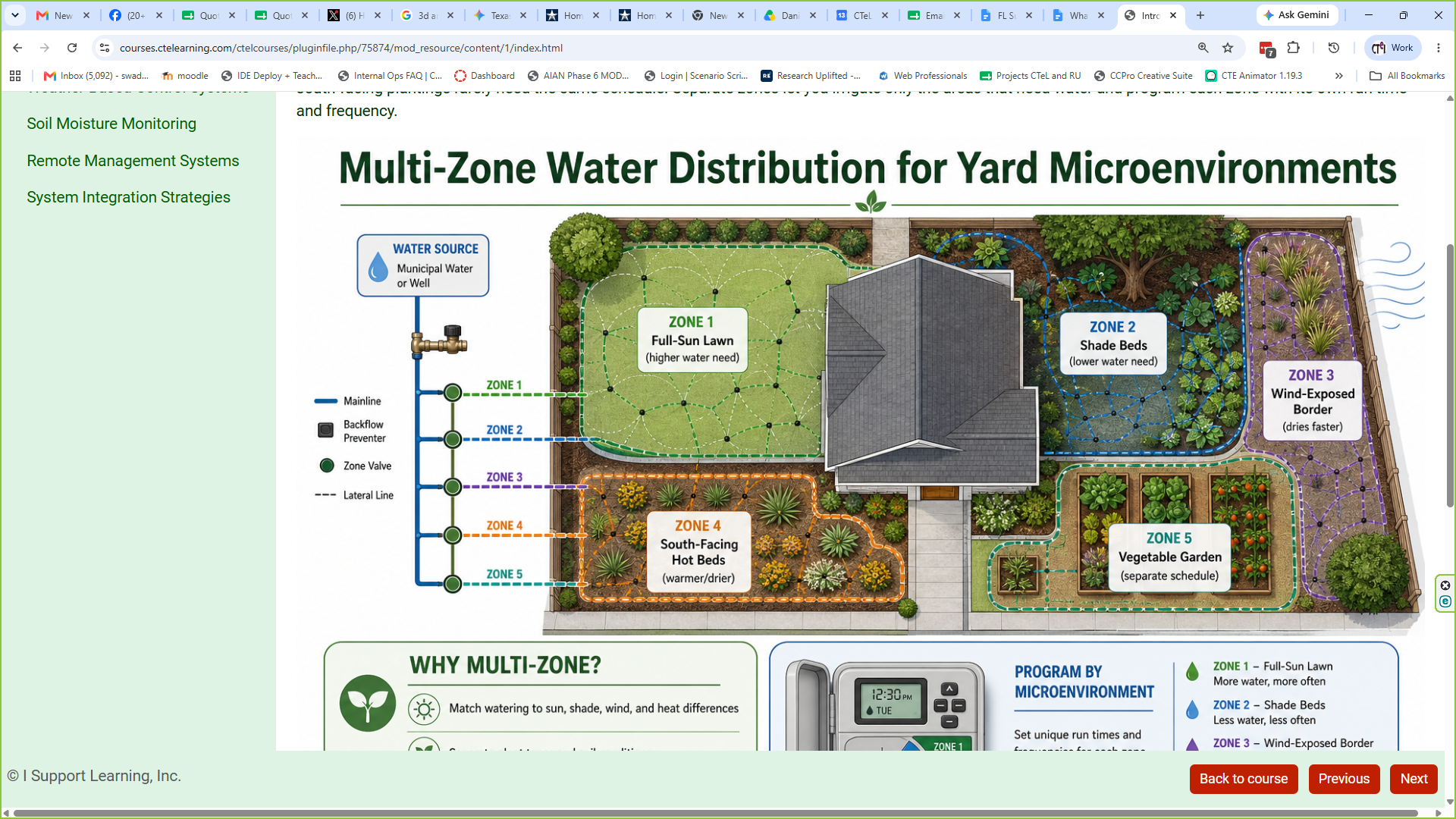
We engineered our platform architecture specifically to dismantle these technical barriers. By running 100% cloud-native courseware directly inside any modern web browser, rural districts can deliver advanced pathways on the equipment they already own. Our programs in high-demand fields like
Web Design & Development and interactive
Web Animation are lightweight and optimized to run smoothly over low-bandwidth connections or cellular hot spots. Whether a student logs in from a budget 1:1 Chromebook, an older Windows laptop, a Mac, or a refurbished desktop, the integrated development environment performs identically. Because there are no local software downloads or complex server configurations, district IT staff set simple network permissions once, allowing the platform to run seamlessly without ongoing technical maintenance.
Real-World Impact: How Haven High School Leveled the Playing Field
The power of lightweight, turnkey CTE courseware is best demonstrated by rural districts putting our courses into practice, such as
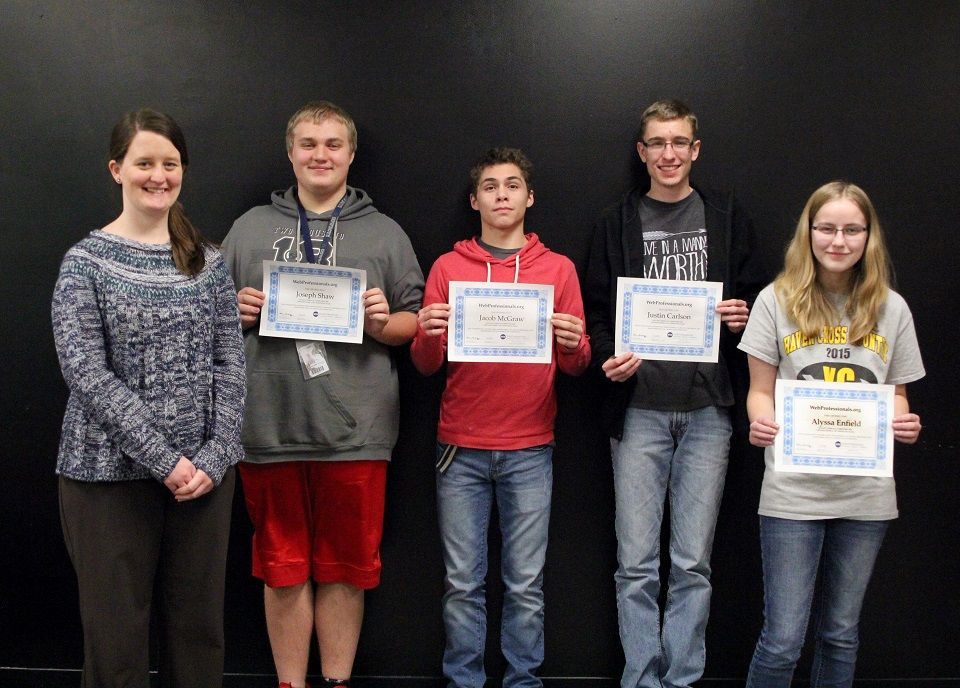
Haven High School in Kansas. Like many small rural institutions, Haven High School sought to offer modern, career-connected pathways that would engage students, satisfy state academic standards, and deliver industry-aligned credentials. However, they faced classic small-district constraints: limited dedicated tech infrastructure and educators who were already balancing multiple preps every day.
By partnering with us, Haven High School transformed its technical course offerings without adding administrative overhead or requiring expensive hardware overhauls while also
offering industry certifications. Haven implemented our browser-native Web Design, Animation, and STEM pathways featuring client-simulated virtual internships directly inside the lessons.
Students built professional-grade digital portfolios using standard school devices, earned high first-attempt pass rates on Industry-Recognized Credentials through our industry partner
Web Professionals Global, and gained access to technical opportunities matching those of major suburban high schools. Haven High School proved that when small districts are given the right tools, rural students achieve outcomes that match—and often exceed—those of schools with multi-million-dollar technology labs.
Maximizing Small-District Perkins V Allocations
Perkins V funding provides rural districts with a vital mechanism to improve career readiness, but small allocations must be spent strategically. Investing a modest grant allocation into physical hardware yields rapid depreciation and high ongoing maintenance costs. Investing in flexible, turnkey courseware yields long-term, scalable program growth that serves multiple cohorts of students over time.
To maximize Perkins V funds, rural leaders should focus on deploying courses that award stackable Industry-Recognized Credentials to fulfill state accountability metrics. Additionally, our built-in Virtual Internships allow rural students to complete real-world client briefs for remote companies directly inside their browser, solving the challenge of local business placement deficits and satisfying Perkins V Work-Based Learning mandates. Small districts can also maximize their financial reach by leveraging regional service centers or educational service units to roll out our turnkey courses across multiple rural campuses simultaneously.
Where a student grows up should never limit what they can learn or who they can become. By pairing low-bandwidth, browser-native technology with complete teacher facilitation support, rural school districts can eliminate the digital divide, relieve educator strain, and prepare their students to compete in the global economy.
Ready to Upgrade Your Rural District's Tech Pathways?
Empower your teachers and open new doors for your students without adding hardware costs or prep time. Connect with our team today to schedule a walkthrough, request curriculum access, or discuss customized CTE implementation strategies for your district.
Further reading:
Check out our Case Study on Haven High School
Read about how a school in Florida is utilizing our AI for the Workplace course