As artificial intelligence (AI) reshapes the global economy, a shadow of uncertainty often hangs over Career and Technical Education (CTE) planning. When headlines predict the automation of everything from accounting to code-writing, CTE Directors are rightly asking: “Which pathways will offer my students long-term job security?” The answer is rooted in the soil. While digital industries face upheaval, fields like horticulture and sustainable landscape design are emerging as "future-proof" careers. These professions exist in the organic, unpredictable world of nature—a domain where human intuition, physical dexterity, and creative judgment remain irreplaceable.
At CTeLearning, our recently revamped Horticulture and Sustainable Landscape Design curriculum
is designed to prove that while AI can analyze data, it cannot "feel" the health of a landscape or manage the social complexity of an urban farm.
At a Glance: The Green Opportunity
- Market Reality: The U.S. landscaping market is valued at over $153 billion, with horticulture operations exceeding $13 billion.
- The Human Edge: AI lacks the tactile sensitivity for pruning and grafting, and the creative empathy required for client-based design.
- Innovation: Our "Virtual Internship" model combines design concepts, with soft skills experiences that work on any device—including Chromebooks—to prepare students for the 2026 workforce.
The Tactile Gap: Why Horticulture is Naturally "Bot-Proof"
Horticulture is a blend of science and art. While an AI can calculate a nitrogen-to-phosphorus ratio, it lacks the nuanced touch required for the daily reality of plant cultivation. Our curriculum emphasizes "The Science Behind the Soil," teaching students to conduct field tests for pH and nutrient levels—tasks that require real-world observation and adaptation. In the 2026 labor market, "Hand-to-Earth" skills are becoming a premium as digital roles become saturated.
The Irreplaceable Senses
In a greenhouse, a professional horticulturist uses sight and touch to notice the subtle changes that indicate the start of a fungal outbreak. AI relies on predefined data; humans respond to micro-climates in real-time. Our course tutorials in
Plant Science and
Integrated Pest Management (IPM) train students to be "Biological Detectives," identifying issues before they devastate a crop. This sensory intelligence is something that current robotic sensors simply cannot replicate in a dynamic, living environment. A sensor might detect moisture, but it cannot "feel" the turgor pressure in a leaf or understand the "smell" of healthy, aerobic compost versus anaerobic decay.
Precision and Physicality
High-value tasks like delicate pruning, grafting, and seasonal nursery preparation require a level of physical sensitivity that robotics struggle to achieve at scale. Pruning is not just about cutting; it is about making a strategic decision based on the plant's future growth patterns and the specific environment. By focusing on these
high-skill areas , we prepare students for roles that will always require a human at the helm. Machines are excellent at repetition in controlled environments, but the "chaos" of a biological nursery requires an adaptive human operator who can adjust their physical pressure and angle in milliseconds.
Urban Agriculture: Sustainability Meets Social Equity
One of the most significant 2026 updates to the curriculum is the inclusion of
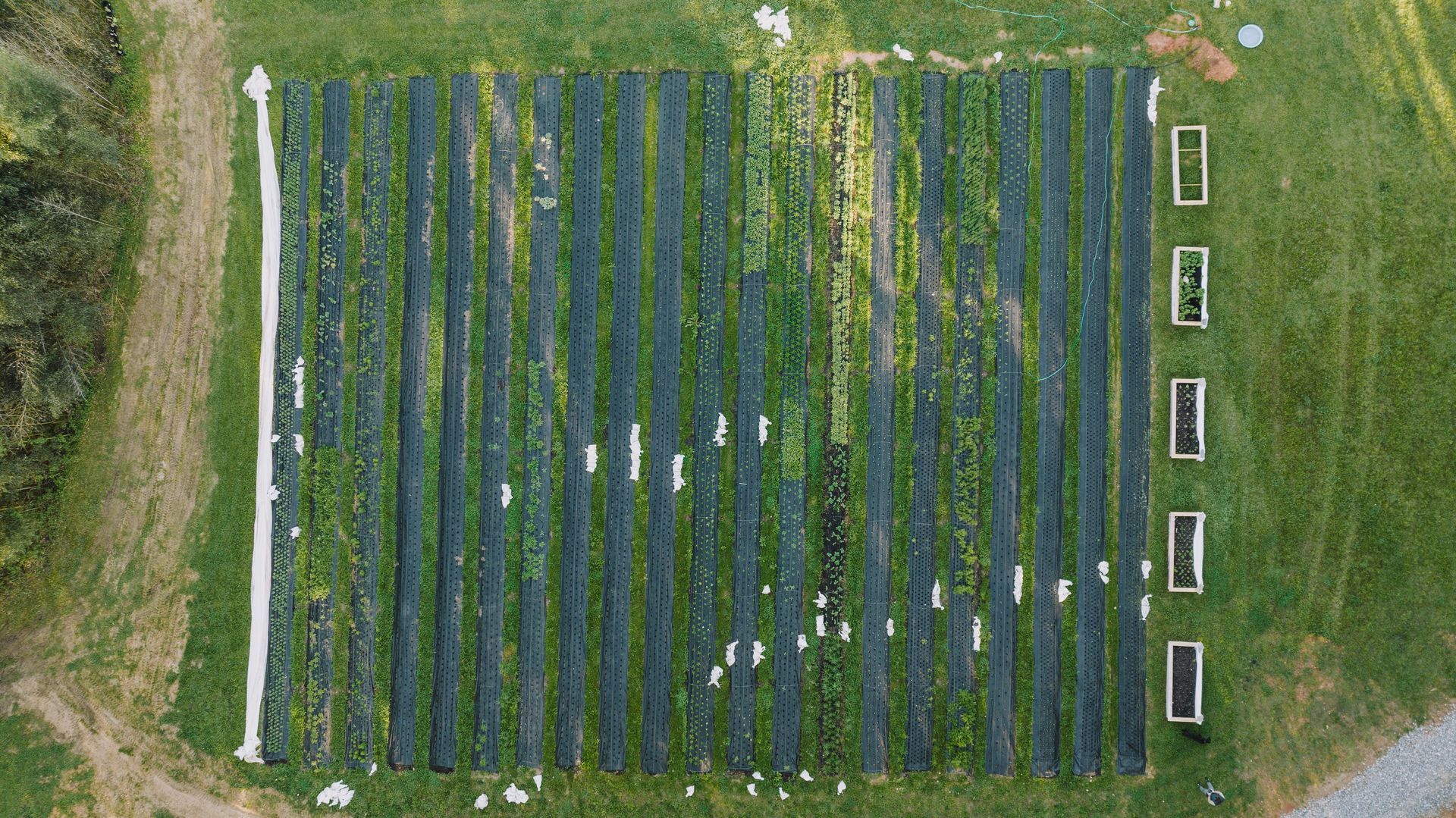
Urban Agriculture and Edible Landscapes (Foodscaping) . Urban farming isn't just about growing plants; it is about navigating the human complexity of city environments. As urban populations grow, the demand for local food systems increases, creating a massive need for managers who understand both the biology of food and the sociology of the city.
Adaptive Problem-Solving
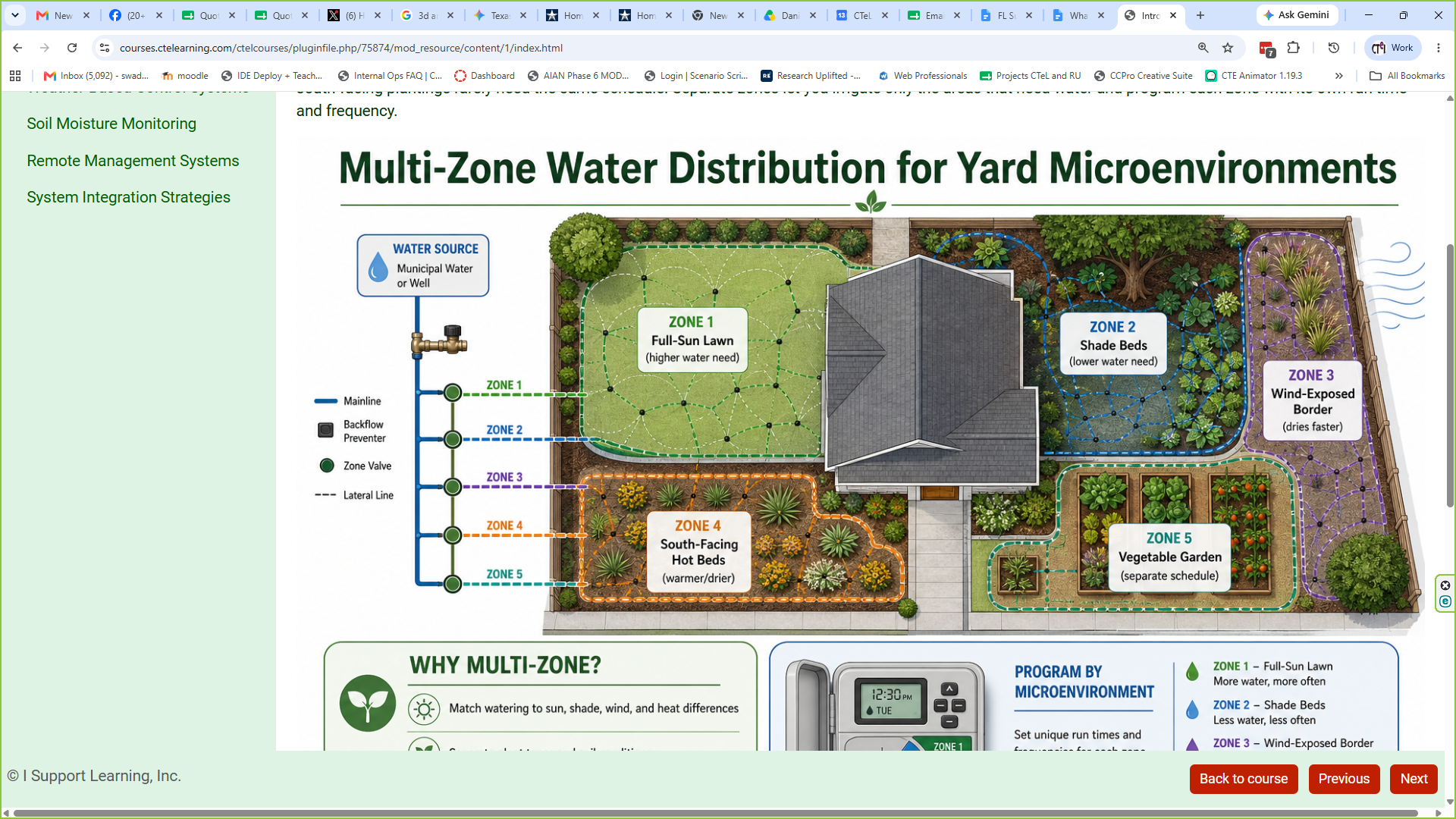
Urban coordinators must navigate polluted soils, limited water access, and community social dynamics. AI can optimize a vertical farm's light cycle, but it cannot resolve a neighborhood dispute or educate a local school group. Our curriculum includes modules on
Medicinal Landscapes and
Urban Agriculture , teaching students to be community leaders who can innovate within the constraints of a concrete jungle. Critical thinking and problem solving is what all teachers want to see in their learners. This soft skill integration is what makes our students employable; they aren't just professionals, they are facilitators of green infrastructure.
The Rise of Foodscaping
The shift toward "Foodscaping"—replacing ornamental lawns with edible, sustainable ecosystems—requires a designer who understands nutrition, aesthetics, and seasonal harvesting. Our students learn to integrate fruit-bearing shrubs and perennial vegetables into traditional landscape designs. This requires a "Human-in-the-Loop" approach to ensure the landscape is not only productive but also safe for public consumption and visually appealing to local municipalities.
Sustainable Landscape Design: The Logic of Living Spaces
Sustainable landscaping is a $153 billion industry that integrates ecology with aesthetics. While generative AI can produce a "pretty" render, it lacks the
Ecological Logic required for professional implementation. AI models are trained on images; they do not understand that a specific plant might be invasive in one zip code while being a keystone species in another.
Design Concepts and Scale
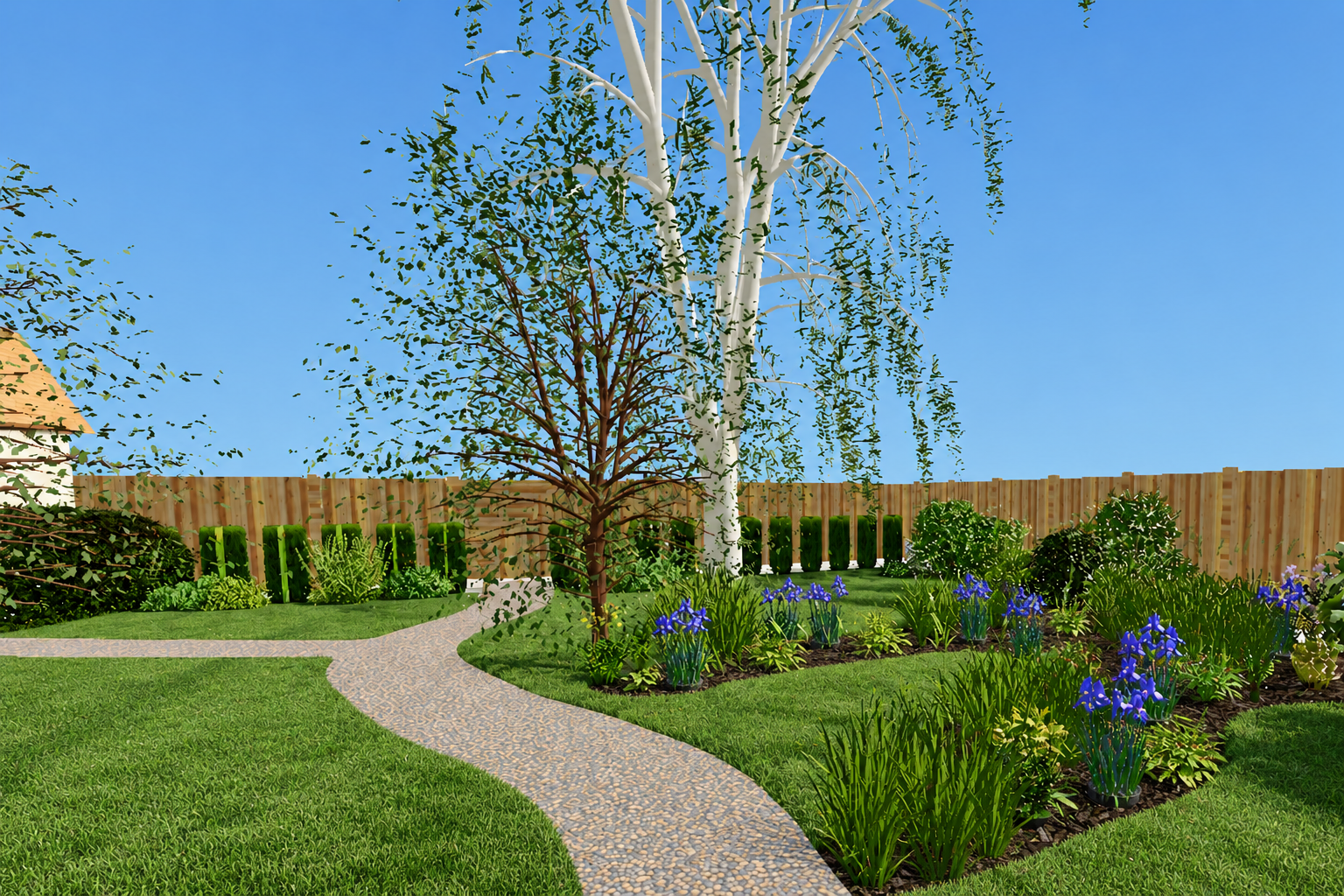
Through our interactive tutorials, students learn the fundamentals of scale drawing, textures, depth, and color . This "Paper-to-Pixel" workflow ensures that students understand the spatial relationships of a site before they rely on digital automation.
Modeling for the Future
A core component of our course is predicting how a design will age over 20 years. AI can project growth data, but a human designer makes the "Sustainable Choice"—balancing water management (Xeriscaping) with the client's long-term budget. Our students practice this through projects like the "Hospital Courtyard" and
"Urban Park," where they must defend their design choices to a virtual client. They must explain how their choice of permeable pavers and native rain gardens will mitigate local flooding—a level of contextual justification that AI cannot generate with true accountability.
The "Virtual Apprenticeship" Advantage
CTE Directors often struggle with the cost of specialized software. We solve this by delivering the course as a
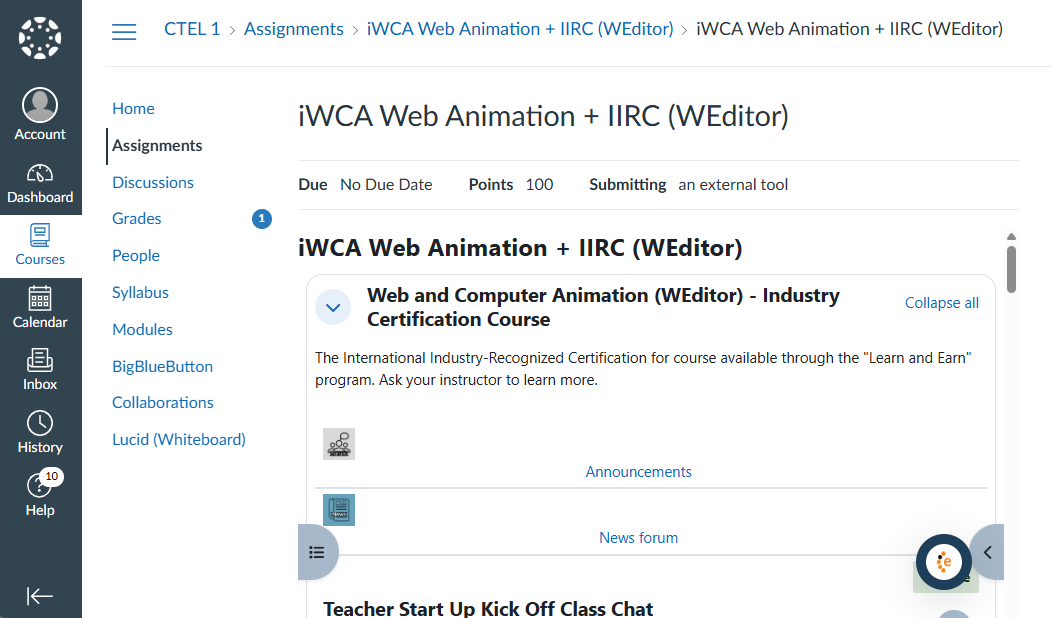
Virtual Apprenticeship —a project-based simulation that works on PC, Mac, and Chromebooks. This "Hardware-Light" approach ensures that any student, regardless of their district's socioeconomic status, can access industry-standard training.
Career-Ready Portfolios
Students don't just take tests; they build a professional portfolio. By the end of the course, they have documented designs for real-world scenarios:
- Curb Appeal: Enhancing residential property value through strategic plant placement.
- The Retiree Project: Designing for specific accessibility needs, such as raised beds and wide, non-slip paths.
- The Challenge Project: A live project where students find a local business or school to design for, applying their classroom knowledge to a tangible community need.
Ethics Training
In 2026, soft skills are the most valuable currency, which is why our curriculum includes an integrated certification in
Workplace Ethics . These aren't just add-ons; they are core to helping students understand how to communicate their vision and sell a green design to a potential client. A student who can explain why a certain design is ethically responsible in the face of a drought will always be more valuable than a software operator who just clicks "render."
Embracing AI as a Supportive Partner
If AI isn't a replacement, what is it? It is an efficiency tool. We teach students to use technology to handle the "drudgery" so they can focus on high-value expertise. In the 2026 classroom, we view AI as a high-powered research assistant, not the lead designer.
- Predictive Analytics: Students learn how to interpret data from smart sensors to forecast growth cycles and prevent crop loss.
- Resource Optimization: Using smart water management and topography data to create resilient landscapes that can survive extreme weather events.
- Climate Projections: Incorporating long-term weather data into sustainable design practices to ensure that a garden planted today will still thrive in the climate of 2045.
By merging biological intuition with technical fluency, we aren't just training landscapers; we are training
Environmental Technicians ready for a high-wage workforce. These students will be the ones managing the AI systems of the future, rather than being replaced by them. They understand the "Source Code" of nature, which makes them the ultimate troubleshooters for automated green systems.
The "CTE Reality Check" for Directors
When comparing career pathways, the data is clear:
- U.S. Landscaping Market: ~$153 Billion
- Horticulture Operations: ~$13 Billion
- CTE Alignment: Perkins V High-Skill, High-Wage, In-Demand.
This industry is a massive, stable engine of the U.S. economy. Investing in a
Horticulture and Sustainable Landscape Design pathway gives students access to a $200 billion industry that is desperate for talent. Unlike the volatility of the software development sector, the "Green Sector" has shown consistent growth for over a decade. Plants don't stop growing because the stock market fluctuates, and people don't stop needing sustainable outdoor spaces because a new AI model was released.
Because our courses are browser-based, districts can deploy this curriculum immediately, reaching students in any zip code without expensive local software installs or high-end GPU requirements. This democratizes tech-heavy career paths, allowing a student in a rural community to develop the same 3D design skills as a student in a tech hub.
The Professional Mindset in the Green Sector
Beyond the technical skills, the green industry demands a specific professional posture. Our curriculum emphasizes the "Stewardship Mindset"—the idea that a professional is a caretaker of both the client's investment and the earth's resources.
Attention to Detail
In horticulture, the difference between a thriving crop and a total loss can be a single degree of temperature or a 24-hour delay in watering. We teach students that high-level professionalism requires an obsession with detail. This is practiced through our "Virtual Greenhouse" simulations where students must manage competing variables to reach a successful harvest.
Narrative and Presentation
A landscape designer is a storyteller. They must be able to walk a client through a 3D model and explain how the "story" of the garden will change from spring to autumn. Our curriculum includes "Client Pitch" simulations where students record video presentations of their designs, focusing on their tone, body language, and ability to translate technical botanical terms into benefits for the homeowner.
Conclusion: Growing the Future with CTeLearning
The fear that AI will render human labor obsolete ignores our fundamental relationship with the natural world. We don't just live on the planet; we manage it. This management requires a soul, a conscience, and a set of hands that understand the fragility of life. At
CTeLearning , our curriculum is built on 20 years of feedback from teachers and industry experts. We provide a turnkey solution that includes
Plant Identification, Soil Science, Design Best Practices , and
Project Management . We don't just teach students how to plant; we teach them how to lead.
Ready to empower your students with a future-proof career in the green industry? Contact us today to schedule a demo of our
Sustainable Landscape Design and Horticulture curriculum or to discuss how we can help you build a high-wage, high-demand CTE pathway.
Interested in exploring other CTeLearning courses? Check out our article previewing our new Principles of Information Technology curriculum .