
Blog

The 2026-2027 Guide to Mapping Industry Certifications to Student Success

Steve Waddell • March 24, 2026

Transforming Classrooms into Career Hubs: Mapping Certification Roadmaps to Career Pathways

In the current landscape of Career and Technical Education (CTE), the terms "industry-recognized credential" (IRC) and “industry-based credential” (IBC) have become  a staple of every district’s vocabulary. However, as we move through 2026, a shift is occurring in how the most successful programs view these certifications. The era of the "one-off" test—where a student takes a single exam in their senior year to satisfy a performance indicator—is giving way to a more strategic, long-term approach: Stackable Certifications.


For CTE administrators and educators, the challenge is no longer just "getting students certified." The challenge is building a cohesive, four-year narrative that takes a freshman with zero technical experience and transforms them into a career-ready professional by graduation. This is the power of a stackable pathway. It isn't just a series of tests; it is a scaffolded journey of competency, confidence, and professional identity. At CTeLearning, we work with our industry association partner Web Professionals Global to integrate stackable certifications pathways into our courses


The Philosophy of "Stackability"

At its core, a stackable credential strategy acknowledges that professional expertise is built in layers. In the professional world, a Senior Web Developer didn't start there. They likely started by understanding basic markup, moved into design principles, mastered client-side scripting, and eventually took on project management.


By mirroring this progression in the 9-12 classroom, schools provide students with frequent "wins." These incremental milestones are vital for student retention. When a 9th grader earns a digital literacy or "Introduction to Web" badge, they aren't just gaining a certificate; they are gaining the "proof of concept" they need to stay in the program for the next three years.


Level 1: The Freshman Foundation (Exploration and Literacy)

The first year of a stackable pathway is about casting a wide net. Many students enter high school with a high degree of "digital consumption" skills but very low "digital creation" literacy. They can navigate an app, but they don't understand the architecture behind it.


In 9th grade, the focus should be on foundational certifications that validate broad-spectrum skills. This might include:


For the administrator, this level is about equitable access. By using browser-based curriculum that doesn't require high-end hardware, districts can ensure that every freshman, regardless of their home environment or the age of school-issued laptops, can start their journey on equal footing. At this stage, we aren't looking for mastery; we are looking for the spark of interest that leads to a career.


Level 2: The Sophomore Shift (Specialization and Design)

Once the foundation is laid, 10th grade is the year for specialization. This is where students begin to see themselves as "creatives" or "technicians." In the Web Professionals Global framework, this often aligns with Web Design.


At this stage, the curriculum shifts from "How does the internet work?" to "How do I build for the internet?" Students dive into HTML5, CSS3, and the principles of User Experience (UX). The credential earned at the end of this year is a significant step up. It moves the student from a "digital citizen" to a "junior designer."


This is also the year where Advisory Committees provide the most value. When local business leaders see 10th graders earning design credentials, they see a pipeline of future interns. It validates that the school is teaching modern, industry-standard languages rather than legacy systems. It also provides the teacher with a clear rubric for what "industry-standard" looks like in a student portfolio.


Level 3: The Junior Deep Dive (Interactivity and Logic)

By 11th grade, the "stack" begins to gain serious market value. This is typically the year students tackle Web Animation   or Web and Mobile Game Design. They move beyond the visual layer and into logic, databases, and interactivity (JavaScript, Python, or C#).

The credentials earned here are often the ones that qualify students for high-value summer internships. A junior with a validated credential in Web Development is a massive asset to local small businesses, non-profits, and government agencies.


From a policy perspective, this aligns perfectly with Perkins V requirements for "work-based learning." Because the student has two years of foundational "stacks" beneath them, they enter their junior year with the technical maturity to handle professional environments. They aren't just "shadowing" a professional; they are contributing to the codebase. This is where the ROI of the CTE program becomes visible to the entire community.


Level 4: The Senior Capstone (Management and Mastery)

The final year of the stackable pathway is the "capstone." At this point, the student has a portfolio of certifications. The 12th-grade goal is to tie them all together with a professional-grade credential like Certified Web Designer or Certified Web Animator.


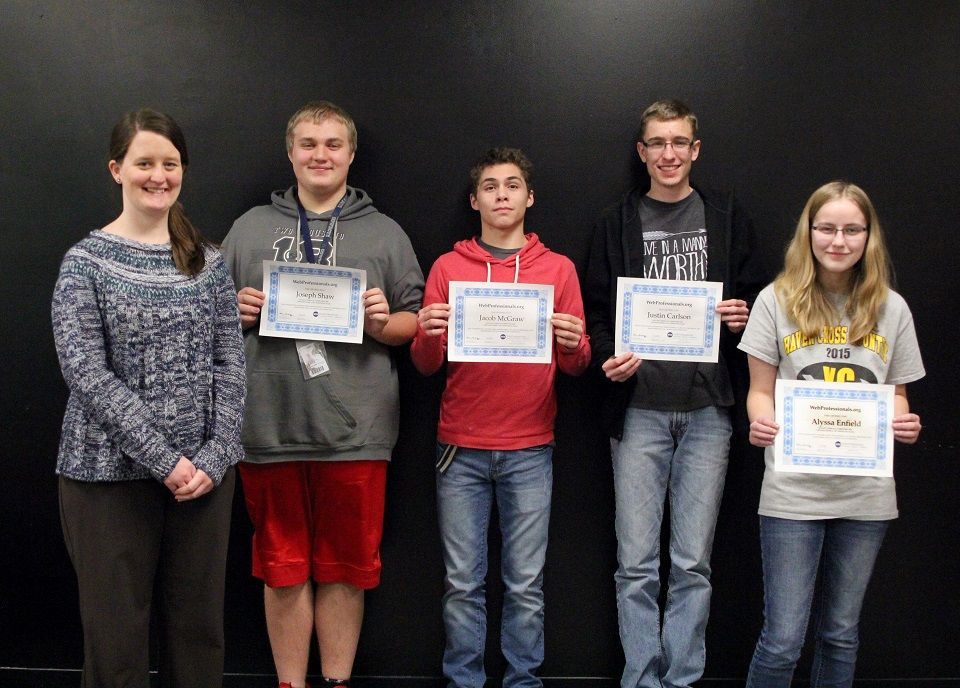
This is where the "stack" becomes a "launchpad." For the student heading to a four-year university, these certifications often translate into prior learning credit or advanced placement in computer science programs. For the student heading straight into the workforce, these four years of stacked credentials serve as a "digital resume" that carries more weight than a high school diploma alone. They aren't just telling an employer they know how to code; they are showing four years of third-party validation.


The Administrative Advantage: Data and Compliance

For CTE Directors, the primary benefit of stackable credentials—beyond student success—is the cleanliness of the data. When a program relies on a single "end-of-program" test in the 12th grade, the district is taking a massive risk. If a student moves away, loses interest, or simply has a "bad test day" during senior year, four years of instruction result in zero "positive placement" data for the district.


With a stackable model, the district captures "value-added" data every single year. You can show your school board and state education agency high certification rates in the 9th grade, 10th, and so on. This consistent "met-standard" data is essential for securing Perkins V funding and demonstrating the ROI of the CTE department. It turns your program from a "cost center" into a "success engine."


The Teacher Advantage: Scaffolding and Motivation

For the instructor in the lab, stackable credentials solve the "motivation gap." Teaching a four-year sequence is a marathon. If the only reward is four years away, students (and teachers) can burn out.


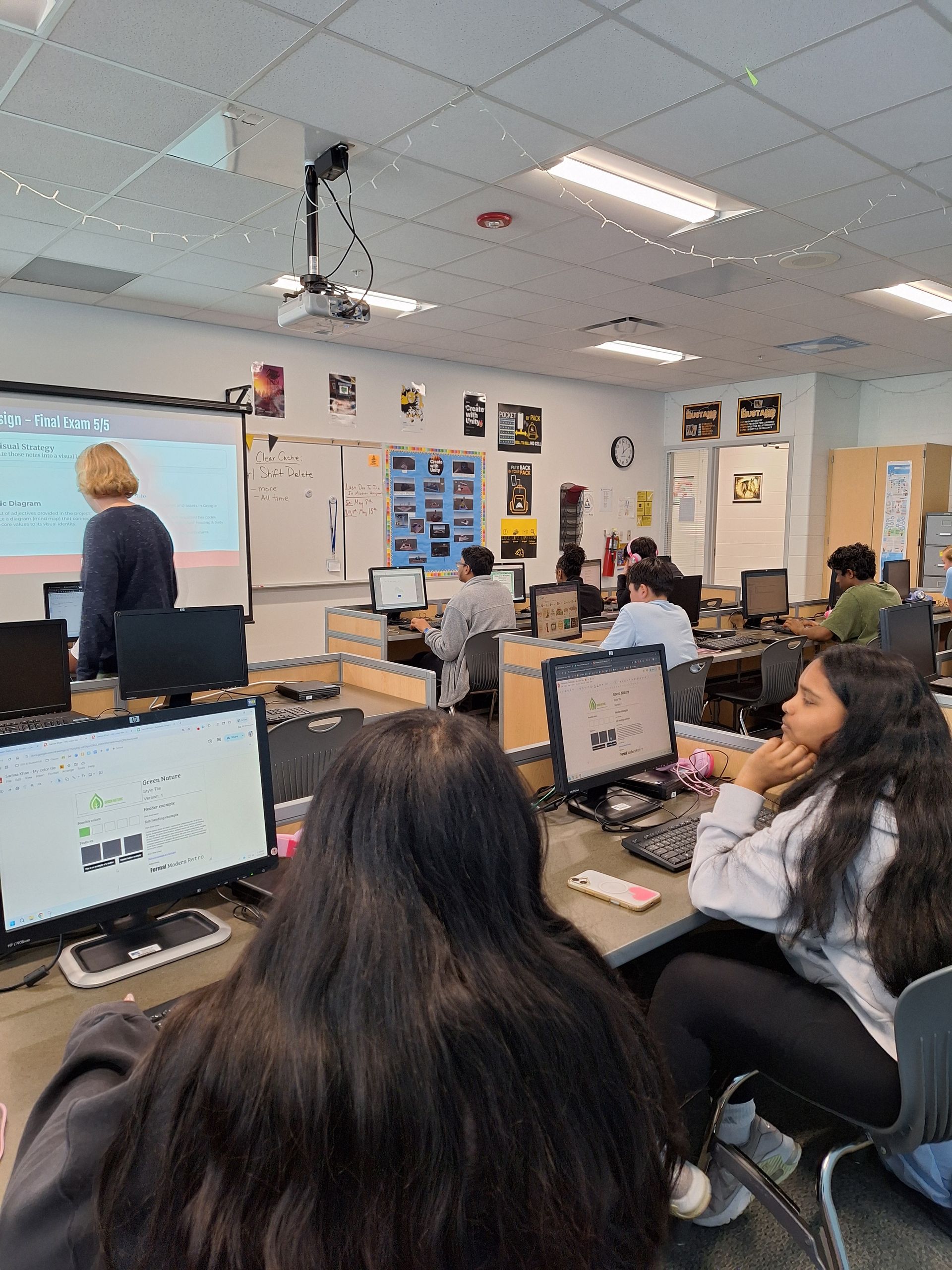
By breaking the curriculum into "credential blocks," the teacher can celebrate wins every semester. This creates a "gamified" atmosphere in the classroom. Students look at their peers’ digital badges and want to "unlock" the next level. It changes the classroom culture from "I have to pass this class" to "I need to earn this industry rank." This shift in mindset reduces discipline issues and increases engagement, particularly in the critical middle-high school transition years.


Build Your Certification Success Story Today

The job market of 2026 does not care what a student studied; it cares what a student can do. A high school diploma says a student finished a set of requirements. A stack of industry-recognized credentials says a student has been vetted by the professional world four years in a row.


Don’t wait until senior year to validate your students' hard work. Let’s build a curriculum roadmap that rewards progress at every level and ensures every student leaves your program with a tangible, stackable advantage.


Ready to see how stackable credentials can transform your CTE program?


Schedule a discovery call with our team so we can help you align our industry-validated curriculum with your state's Perkins V requirements.

  • Request a Demo: Experience the browser-based, hardware-agnostic platform that makes equity in STEM a reality for every student in your district.
  • Get in Touch:
  • Email: hello@ctelearning.com 
  • Phone: (913) 764-4272
  • Contact Page: ctelearning.com/contact-us 


Interested in exploring more? Check out our 2026 guide to Perkins V funding.


  • What are Stackable Industry-recognized Credentials in CTE?

    Stackable industry-recognized credentials (IRCs) are a sequence of certifications that build upon one another to create a clear career pathway. In a 9-12 CTE program, this allows students to earn foundational digital literacy badges in 9th grade, followed by specialized design and development certifications in subsequent years. This "stacking" method ensures continuous skill validation and helps districts meet Perkins V requirements for high-quality, aligned career pathways.

  • Can you Teach Web Design and Game Design on School Chromebooks?

    Yes. Modern CTE curriculum, like the programs offered by CTeLearning, is browser-based and hardware-agnostic. This means students can earn professional-grade industry credentials in Web Design, Video Game Design, and Animation using low-spec hardware like Chromebooks or older lab PCs. This eliminates the need for expensive, high-end workstations and ensures equitable access to STEM education across the entire district.

  • How Can a Teacher With No Coding Experience Lead These Courses?

    Comprehensive CTE curriculum "as-a-service" provides non-technical instructors with a "subject matter expert in a box." By utilizing automated grading, teacher dashboards, and industry-validated instructional materials, teachers from any background can successfully lead a classroom. This model allows districts to maintain high-quality IT and Web Design pathways even during specialized teacher shortages.

Share To

Get in touch with us today!


You can book a demo directly using Calendly, call us directly at 913-764-4272 or 877-828-1216, or submit the form and we will reach out to you.


We look forward to helping you and your students.

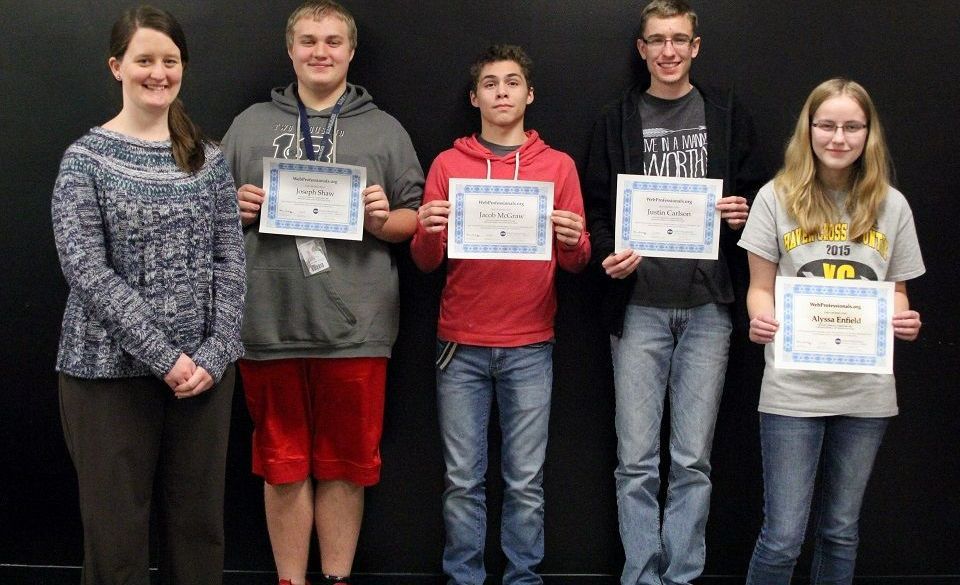
students with STEM certifications

Most Recent Posts

By Steve Waddell March 20, 2026
Boost your 2026 CTE pathway with browser-based Web & Mobile Game Design. Secure Perkins V funding with industry-recognized certifications and a 94% pass rate.
By Steve Waddell March 13, 2026
CTeLearning helps middle schoolers create professional-grade portfolios validated by industry standards, giving them a head start on high school certifications.
By Steve Waddell March 5, 2026
The 2026-2027 Principles of IT course is a Chromebook-ready intro for middle and high school students that serves as a springboard to Animation, Game & Web Design.