
Blog

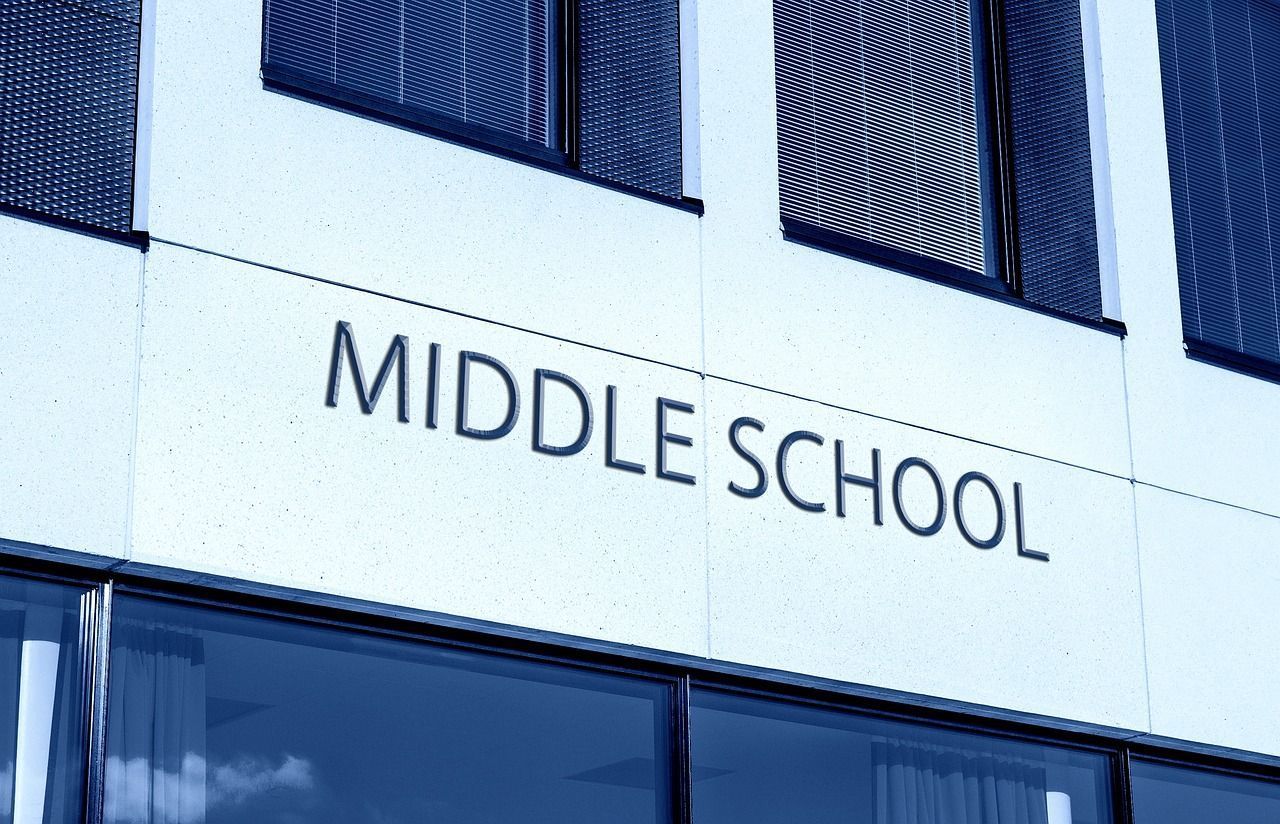
Middle School: The Strategic Springboard for Career Success

Steve Waddell • March 13, 2026

The Ultimate Guide to Future-Proofing Student Pathways through Purposeful Career Exploration

In the modern educational landscape, high school is often too late to begin career exploration. By the time a student reaches the 9th grade, their schedules are often packed with graduation requirements, leaving little room for the discovery of high-wage, high-demand career pathways. The 2026-2027 academic cycle represents a turning point in educational technology; we can no longer afford to treat middle school as a "waiting room" for secondary education.


At CTeLearning, we believe middle school is the Strategic Springboard. It is the critical window where curiosity meets capability, and where students can begin building a professional portfolio that sets them apart. By offering a diverse suite of pathways—including Web Design, Animation, Game Design, and Principles of IT—we ensure every student finds a "spark" that connects their classroom experience to their future career.


The Cognitive Advantage: Why Multi-Pathway Discovery Matters

Middle school students are at a unique neurological stage. They are moving from concrete thinking to abstract reasoning, and their social-emotional development is heavily tied to finding an identity. This is the exact moment when the "Why am I learning this?" question becomes dominant. If we don't answer that question with real-world application, we risk losing their engagement during the most formative years of their academic identity.


By introducing a variety of digital pathways, we allow students to "test-drive" different professional identities. One student might find their voice through the visual storytelling of Animation, while another finds their rhythm in the logical problem-solving of Game Design. A third might prefer the structural architecture of Web Design. This variety ensures that CTE isn't just a single elective, but a broad horizon of possibilities.


Moving from "Consuming" to "Creating"

Most middle schoolers are digital natives, but there is a vast difference between using technology and understanding it. Our curriculum is designed to bridge this gap across all our core disciplines.


The Virtual Internship Model

In our curriculum, students don't just sit through lectures. They enter a Virtual Internship environment. This simulation-based learning places them in the shoes of junior professionals.

  • In Web Design, they are junior developers building accessible sites for local businesses.
  • In Animation, they are studio artists learning the "12 Principles" to bring characters to life.
  • In Game Design, they are logic architects creating immersive, playable experiences.


Instead of passive learning, students enter a workflow. By shifting the perspective from consumer to creator, we ignite a "Captain of the Ship" mindset. They are no longer passengers in their education; they are the ones steering the vessel toward a specific career destination.


Radical Device Neutrality: The Chromebook Solution

One of the primary barriers to robust CTE in middle school has historically been the "Hardware Wall." For years, if a school wanted to teach high-end animation or game design, they had to invest in expensive "gaming" PCs. This created a digital divide where only well-funded districts could offer these pathways.


We solved that. Our 2026-2027 curriculum is 100% cloud-native and browser-based.


Why IT Departments Love This

  • No Software to Install: There are no .exe files to manage, no "pushes" to schedule, and no local updates.
  • Low Hardware Overhead: We practice "Radical Device Neutrality." If it has a browser, it can run our high-end tools—including CTEAnimator and our game engine environments.
  • Equity in Access: The "homework gap" is closed. Students can start a project on a school Chromebook and finish it at home on a tablet or an old laptop. The learning is no longer tethered to a specific desk in a specific room.


The Four Pillars of the Middle School Ecosystem

I. Principles of Information Technology (The Survey)

This is the ultimate "entry point." It gives students a high-level tour of the digital economy. They explore hardware, software, networking, and the ethics of AI. It is designed to help students decide which specialized path they want to pursue next.


II. Web Design (The Architecture)

Students learn that the web isn't just something you browse; it’s something you build. We focus on industry standards: HTML, CSS, and the vital importance of Web Accessibility. In 2026, a website that isn't accessible isn't professional, and we teach our middle schoolers to build for everyone from day one.


III. Web Animation (The Storytelling)

Animation is the "hook" for many students. Using our proprietary, browser-based tools, students learn the technical stamina required for professional animation. They study squash and stretch, timing, and appeal, turning simple shapes into emotive characters.


IV. Game Design (The Logic)

Game design is the ultimate integration of art and science. Students learn the logic of "If-Then" statements, the physics of movement, and the psychology of player engagement. It turns their love of gaming into a love of engineering.


Building a "Certified" Portfolio Early

Why wait until graduation to prove workforce readiness? The 2026 job market values proof of skill over a simple diploma. Even at the middle school level, our curriculum is aligned with Web Professionals Global standards.


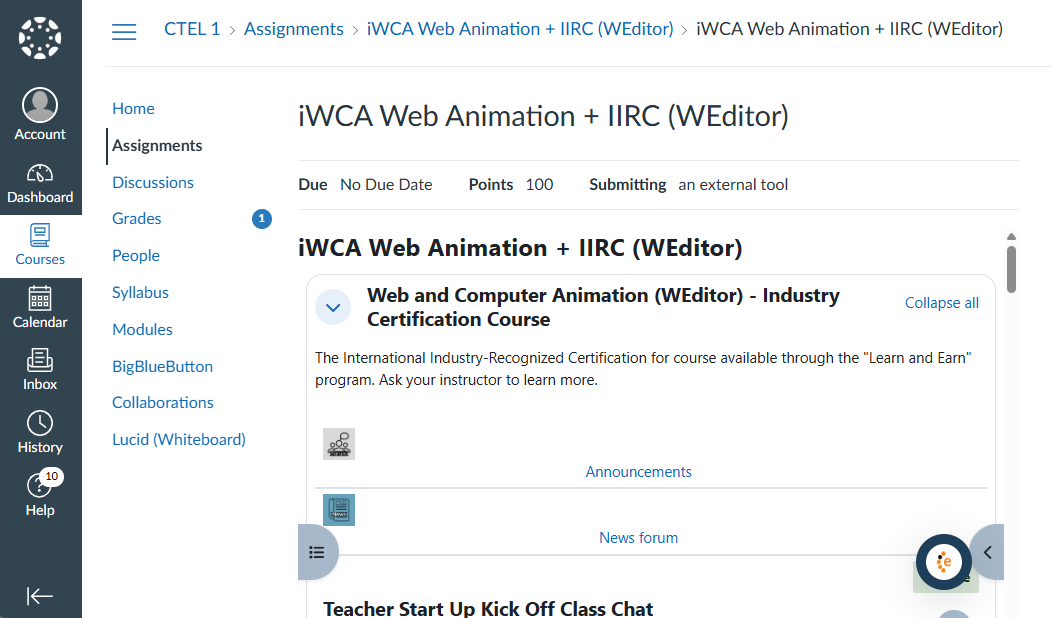
When a student explores Web Design or Animation in 7th grade, they are mastering the foundational pillars that lead to Industry-Recognized Credentials (IRC). In competitive states like Texas or Florida, having a middle schooler earn a certification isn't just a "nice-to-have"—it's a measurable College and Career Readiness win for the district.


The "Crawl, Walk, Run" Methodology

We recognize that middle school teachers are often the "unsung heroes" of education. They are frequently tasked with teaching subjects outside their primary expertise. Our turnkey curriculum is designed to support the educator as much as the student:


Stage 1: The Crawl

We begin with interactive, bite-sized lessons that introduce core concepts without overwhelming jargon. We focus on the "Big Picture" first. For example, before animating, students learn why we perceive motion.


Stage 2: The Walk

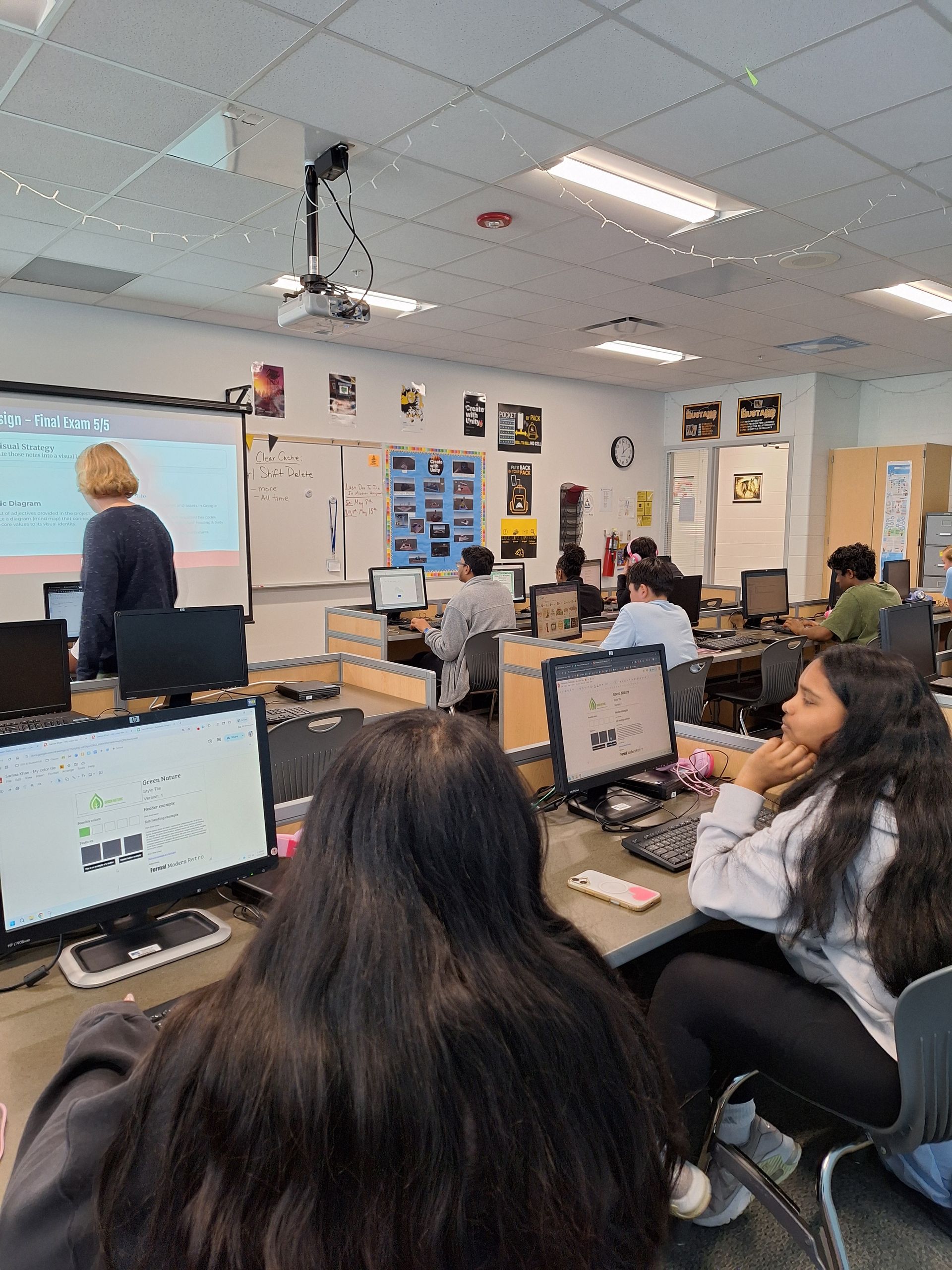
Students move into hands-on projects that allow for "safe failure." Exploration is encouraged. The curriculum provides the scaffolding to help them self-correct as they build their first web page or game level.


Stage 3: The Run

The course culminates in capstone projects. These are professional-grade portfolio pieces. By the end of the year, a 13-year-old student can point to a functional project and say, "I built this for a client."


Bridging the Gap to High School Programs of Study

The "Strategic Springboard" isn't just about the three years of middle school; it’s about what happens in the four years that follow. When a district implements these pathways early, they are effectively "seeding" their high school programs.


Solving the Recruitment Crisis

High school CTE directors often struggle to fill seats in advanced tracks because students are afraid to start something "hard" in the 10th grade. By introducing these concepts early, you remove the fear. The students entering high school already have the "digital vocabulary" to succeed in advanced courses, leading to higher retention rates and better certification outcomes.


Financial Sustainability and Perkins V Compliance

For administrators, the "Strategic Springboard" model is a financially sound investment. Because our courses are browser-based, the Total Cost of Ownership (TCO) is significantly lower than traditional tech programs.

  • Perkins V Aligned: Our curriculum meets the federal requirements for "career exploration" in the middle grades.
  • Long-Term Savings: By eliminating recurring software licensing fees (like Adobe Creative Cloud), districts can reallocate those funds toward other student needs.
  • Grants and Funding: Because we provide industry-validated certifications, these programs often qualify for higher tiers of state and federal funding.


Conclusion: Future-Proofing Your Students

Middle school is no longer a "waiting room" for high school. It is the launchpad. The decisions we make for our 6th, 7th, and 8th graders today will dictate the workforce of 2030 and beyond.


By implementing the CTeLearning Multi-Pathway approach, you are giving your students more than just technical skills—you are giving them a future. You are giving them the confidence to know that they belong in the tech-driven economy and the tools to prove it.


Connect with CTeLearning Today

Our team is ready to help you plan your 2026–2027 academic pathways. Contact us to schedule a personalized demo or to discuss how our curriculum aligns with your specific state standards and IBC requirements.

Share To

Get in touch with us today!


You can book a demo directly using Calendly, call us directly at 913-764-4272 or 877-828-1216, or submit the form and we will reach out to you.


We look forward to helping you and your students.

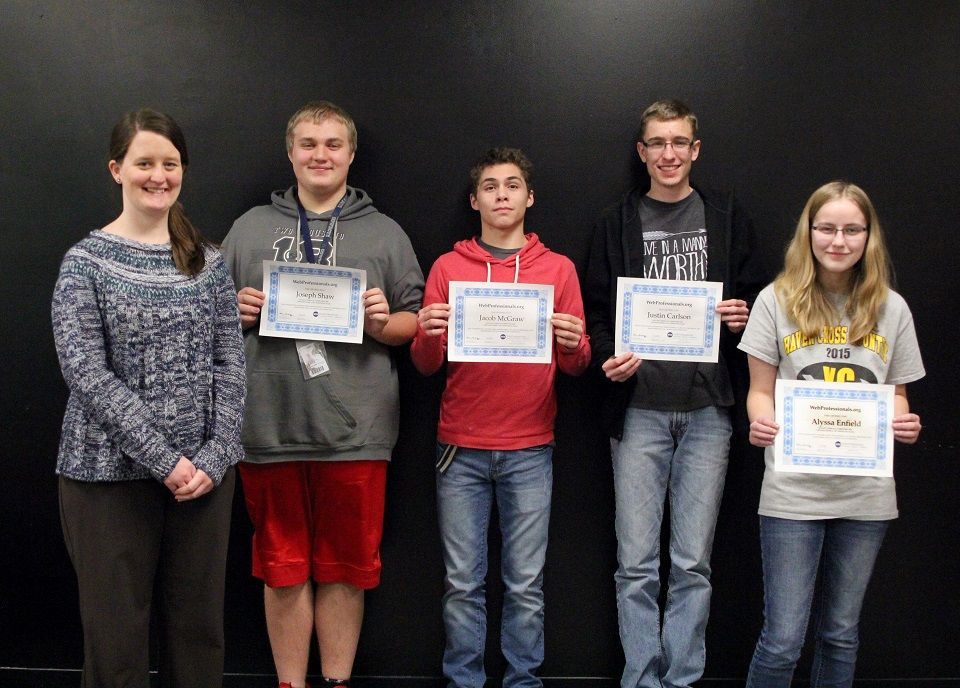
students with STEM certifications

Most Recent Posts

By Steve Waddell March 5, 2026
The 2026-2027 Principles of IT course is a Chromebook-ready intro for middle and high school students that serves as a springboard to Animation, Game & Web Design.
By Steve Waddell March 2, 2026
Master Sustainable Landscape Design with CTeLearning’s browser-based curriculum. Integrated Ethics certification, 3D modeling, and Urban Ag for the modern learner.
Students at SkillsUSA Web Design National Competition
By Steve Waddell February 27, 2026
Prepare your state winners for the SkillsUSA Web Design National Competition. Get expert tips on technical standards, 2026 requirements, and the champion mindset.