
Blog

Is Animation a Good Career Pathway?

Steve Waddell • September 16, 2025

Few career paths offer the perfect blend of creativity, technology, and lucrative opportunities like animation. As businesses increasingly rely on visual storytelling to capture audience attention, animation has emerged as one of the most exciting and financially rewarding career choices available to young professionals. Let’s take a look at the rise of the animation profession and how our team here at CTeLearning is helping to meet these growing needs at high schools nationwide with our Web and Computer Animation course


The Growing Demand for Animation Professionals

The animation industry has experienced unprecedented growth over the past decade, driven by the explosion of digital content across multiple platforms. From blockbuster movies and video games to social media marketing and educational content, animated visuals have become essential tools for communication and engagement.


According to industry reports, the global animation market is projected to reach over $587 billion by 2030, creating thousands of new job opportunities for skilled animators. This growth spans multiple sectors, including entertainment, advertising, education, healthcare, and corporate communications, providing animation professionals with diverse career paths and stable employment prospects.


Why Animation is an Attractive Career Choice

Creative Freedom and Personal Expression

Animation offers professionals the unique opportunity to bring ideas to life through visual storytelling. Unlike many traditional careers, animation allows individuals to express their creativity while solving complex problems and communicating important messages. Whether creating characters for a video game or developing commercials, social media content, educational materials or corporate training, animators have the freedom to shape digital storytelling to improve audience experience and engagement.


Competitive Salaries and Financial Security

One of the most compelling aspects of an animation career is the financial potential, with experienced professionals earning well over $100,000 per year. Specialized roles such as lead animators, animation directors, and technical directors often command high salaries, making animation one of the highest-paying creative fields.


Location Independence and Flexible Work Options

The digital nature of animation work provides professionals with unprecedented flexibility. Many animators work remotely, collaborate with international teams, and enjoy the freedom to work from anywhere in the world. This location independence has become increasingly valuable, especially as companies embrace remote work policies and seek global talent.


Diverse Career Opportunities

Animation careers extend far beyond traditional entertainment. Today's animators work in:

  • Entertainment: Creating content for movies, television shows, and streaming platforms
  • Gaming: Developing characters, environments, and effects for video games
  • Digital Marketing: Producing animated advertisements and social media content
  • Education: Creating interactive learning materials and educational videos
  • Healthcare: Developing medical animations and training simulations
  • Corporate Communications: Producing training videos and presentation materials


Essential Skills for Animation Success

Technical Proficiency

Modern animators must master various software applications and technical tools. Industry-standard programs include 2D animation with Weditor or Adobe Animate and 3D animation supported by Adobe After Effects, Maya, Cinema 4D, and Blender. Understanding these 2D and 3D tools allows animators to create professional-quality work that meets industry standards.


Artistic Fundamentals

Strong drawing skills and understanding of artistic principles remain crucial for animation success. Knowledge of color theory, composition, and the twelve principles of animation (developed by Disney) provides the foundation for creating compelling animated content.


Storytelling and Communication Skills

Effective animators understand how to use visual elements to tell stories and convey messages. This often begins with storyboarding and script development. These skills require strong communication and the ability to translate complex ideas into engaging visual narratives that resonate with target audiences.


Project Management and Collaboration

Animation projects often involve multiple team members and tight deadlines. Successful animators develop project management skills, learn to work collaboratively, and understand the importance of meeting client expectations and project timelines. Project teams include animators, sound effects artists, audio engineers, music composers, voice actors, storyboard artists, character creators, scriptwriters, project managers, producers, and directors. There is a place for all talents and passion to come together and create. 


The Future of Animation Careers

Emerging Technologies

The animation industry continues to evolve with new technologies like virtual reality (VR), augmented reality (AR), and artificial intelligence (AI). These innovations create exciting opportunities for animators to explore new forms of storytelling and develop cutting-edge content experiences.


Increased Demand for Digital Content

As businesses recognize the power of visual content in marketing and communication, demand for skilled animators continues to grow. Social media platforms, streaming services, and digital advertising agencies actively seek animation professionals who can create engaging content that captures audience attention.


Global Market Expansion

The international nature of digital content creation means animation professionals can work with clients and companies worldwide. Animation generates stories that can transcend culture and bring information and engagement to the broadest of audiences. This global market expansion provides unlimited growth potential and diverse project opportunities for skilled animators.


Building a Successful Animation Portfolio

Success in animation requires a strong portfolio that demonstrates technical skills and creative abilities. Aspiring animators should focus on:

  • Creating diverse projects that showcase different animation techniques
  • Developing a unique artistic style that sets them apart from competitors
  • Building projects that demonstrate problem-solving abilities
  • Including work that shows understanding of different target audiences
  • Regularly updating their portfolio with new projects and improved skills


Preparing High School Students for Animation Success

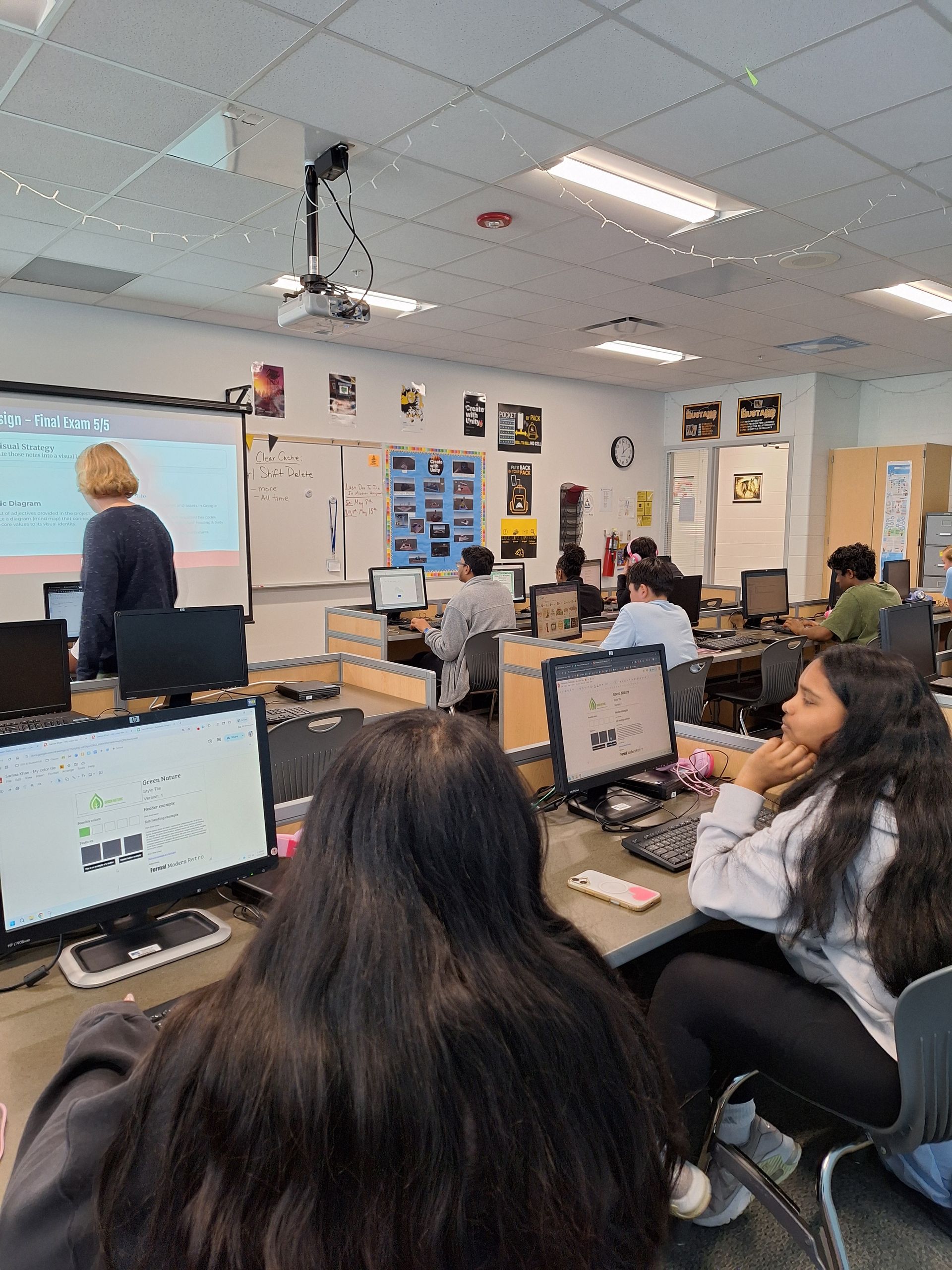
Our comprehensive Web and Computer Animation Course is specifically designed to prepare high school students for successful animation careers. This innovative program combines technical training with practical experience, giving students the tools they need to excel in the competitive animation industry. 


Comprehensive Curriculum Design

Our animation course is a media-rich and engaging program that gets learners excited about the world of animation and opens their eyes to potential career paths. The curriculum features tutorials and project-based learning that gives students an opportunity to build projects they can add to college and career-ready portfolios. It is turnkey, meaning teachers can administer the course with no prior animation experience. 


The course includes comprehensive coverage of fundamental animation concepts, including the 12 Principles of Animation lesson module based on Disney's foundational animation principles. This ensures students understand the theoretical foundations that underpin all professional animation work.


Virtual Internship Model

We offer an innovative approach to experiential learning with our Virtual Internship Model, which immerses the students in interactive story-based projects that look and feel like a career simulation. This unique project-based learning methodology provides students with a taste of what working in the real world is like, ensuring they develop both technical and soft skills necessary for career readiness.


Portfolio Development Focus

Understanding that a strong portfolio is essential for animation career success, our program emphasizes practical project creation. Each student is tasked with building their college and career-ready portfolio to prepare for their futures, ensuring graduates have tangible examples of their skills when applying for jobs or college programs.


Industry-Recognized Certifications

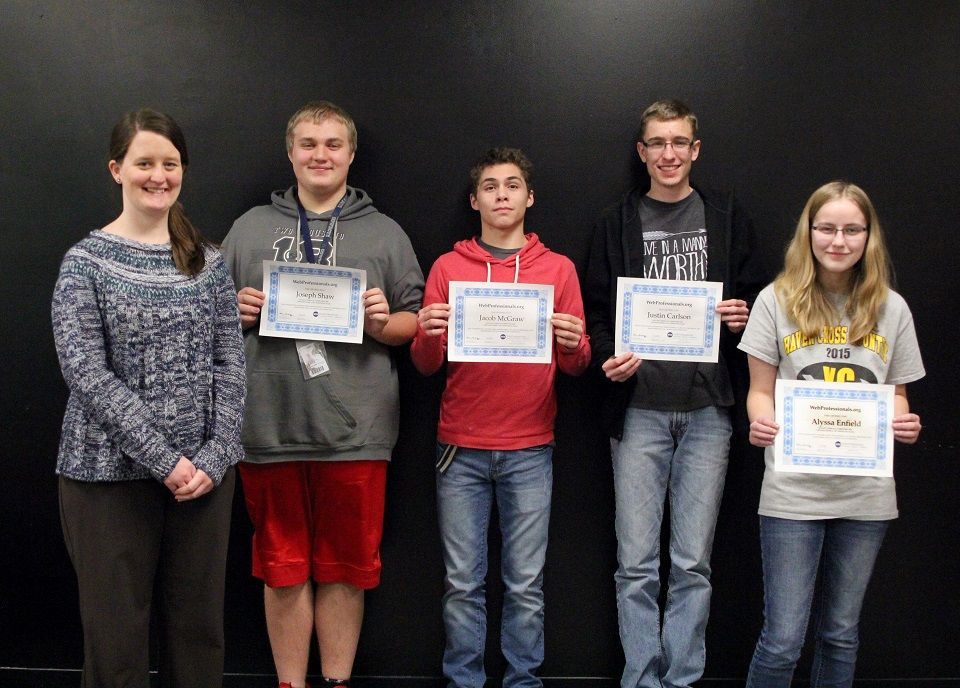
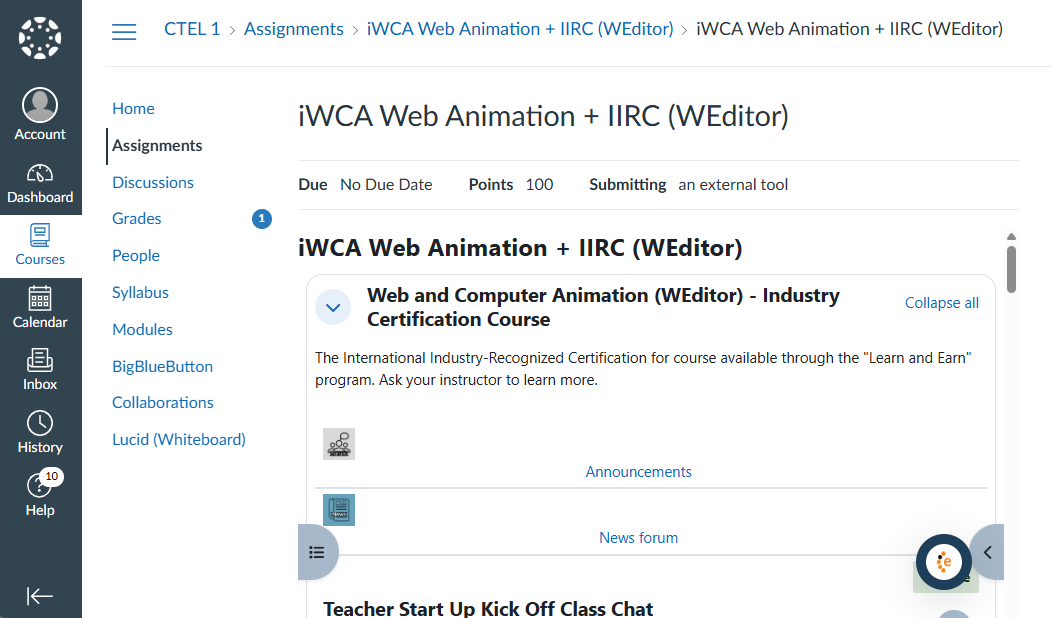
We go beyond basic education by offering students the opportunity to earn industry-recognized credentials. These international industry-recognized animation certifications (IIRC), also referred to as Industry-Based Certifications (IBC), are backed by Web Professionals Global, which is the professional association for those who work on the internet tools used daily across industries.


These certifications carry significant weight with employers because the standards are developed by industry professionals—including many who are responsible for hiring for their respective companies. These certifications test students for skills, knowledge and aptitude—not simply how well they can study for an exam. 


Deliver Engaging Animation Curriculum to Your Students 

For high school students considering animation careers, programs like our Web and Computer Animation Course provide the perfect foundation for success. By combining comprehensive technical training with industry-recognized certifications and practical portfolio development, we help ensure students are well-prepared to enter the competitive animation industry with confidence. To learn more, contact us today at 913-764-4272 or hello@ctelearning.com. Our free 30-minute demo will show you how we can help your students explore this exciting career pathway. 


Note: If you are a Texas school, ask us about the Web Animation IBC 967 listed by the Texas Education Agency (TEA) on the 2025-2030 Industry-Based Certification List for Public School Accountability. Our course is TEKS-aligned and provides a simple path for your students to earn the Certified Web Animator Associate (CWAA) credential. Our curriculum and free online animation tool set works with PC, Mac and Chromebook. We also have a curriculum version to support schools that use Adobe Animate.


Share To

Get in touch with us today!


You can book a demo directly using Calendly, call us directly at 913-764-4272 or 877-828-1216, or submit the form and we will reach out to you.


We look forward to helping you and your students.

students with STEM certifications

Most Recent Posts

By Steve Waddell November 14, 2025
Learn how we can help your school maximize the value of your current devices.
By Steve Waddell November 5, 2025
Here at CTeLearning, we keep up with trends in education and the workplace in order to better serve our schools. One recent trend is that the landscape of STEM education is undergoing a profound transformation. High school students who once aspired to traditional computer science careers are now exploring interdisciplinary fields that blend coding with data analysis, ethical interpretation, and creative problem-solving. This shift reflects a broader understanding: artificial intelligence isn't replacing human creativity and critical thinking—it's amplifying them. Let’s take a look at what this means. The Changing Face of STEM Education Research shows that AI is fundamentally reshaping how students approach STEM subjects. Rather than focusing solely on programming skills, today's students are learning to integrate machine learning into traditional disciplines like biology, physics, and design. They're using AI tools to model climate change, analyze genetic data, and solve real-world problems that require both computational skills and scientific inquiry. This evolution represents more than just adding new courses to the curriculum—it's about fundamentally changing how students think about innovation and problem-solving. Educators across the country report that teenagers are increasingly drawn to AI's potential, but they need guidance to understand how to use these tools effectively and ethically. The challenge isn't whether to integrate AI into education; it's how to do so in a way that enhances rather than diminishes core learning objectives. What's particularly striking about this shift is the recognition that AI skills are becoming essential across all career pathways, not just in technology fields. By 2027, 75% of businesses are anticipated to use AI technologies, and company leaders increasingly value AI capabilities in prospective employees. Perhaps most telling: 60% of companies report they would hire a less experienced candidate with basic AI skills over a more experienced individual without them. These statistics underscore a critical reality—students who understand how to work alongside AI will have a significant competitive advantage in virtually any career they choose. The Importance of Process Over Product At CTeLearning, we've always believed that understanding the process is more important than simply producing a final product. This philosophy has guided our curriculum development for over two decades, and it's never been more relevant than in the age of AI. In our Web Design course, for example, students don't just learn to code websites—they learn to think like designers and developers. They master color theory, site aesthetics, wireframing, and testing. They learn how to engage with clients, collaborate with team members, communicate effectively, and deliver projects on time and on budget. These process-oriented skills are what separate proficient web designers from those who can only follow tutorials. This emphasis on process becomes even more critical when AI tools enter the picture. AI can generate code, suggest design layouts, and automate repetitive tasks. But it cannot understand a client's brand story, navigate the nuances of user experience design, or make the creative decisions that transform a functional website into an engaging digital experience. Students who understand the design process can leverage AI to enhance their work while maintaining creative control and professional standards. Our approach to teaching web design mirrors the real-world creative process that professionals use daily. Students learn to: Research and understand requirements before jumping into design Develop concepts and style tiles that communicate visual direction Create wireframes that establish structure and user flow Build iteratively with opportunities for feedback and revision Test and refine their work based on user experience principles Present and explain their design decisions professionally When students internalize this process, they develop problem-solving frameworks that transcend specific tools or technologies. Whether they're working with HTML and CSS today, or with AI-assisted design tools tomorrow, they understand how to approach creative challenges systematically and thoughtfully. Creativity as a Core Competency Our courses are designed around a fundamental principle: creativity is not just an artistic skill—it's a professional competency that can be taught, practiced, and refined. In our Web Design curriculum, students engage in project-based learning that encourages creative expression while building technical proficiency. The creative process we emphasize involves: Experimentation and Iteration : Students learn that great design rarely happens on the first attempt. Our curriculum builds in time for experimentation, revision, and refinement. The coding sandbox feature allows students to practice new concepts immediately, encouraging them to try different approaches and learn from both successes and failures. Critical Assessment : We teach students to critically evaluate their own work and the work of others. This skill helps them understand what makes design effective, identify areas for improvement, and articulate the reasoning behind their creative decisions. Unique Voice Development : While students learn industry standards and best practices, we also encourage them to develop their own creative voice. The projects in our courses allow for personal expression within professional frameworks, helping students build portfolios that showcase both technical competence and creative vision. This focus on creativity serves students well in an AI-enhanced workplace. AI tools can suggest solutions, but they require human creativity to frame problems effectively, evaluate options critically, and make decisions that align with project goals and user needs. Students who develop strong creative thinking skills become AI users who guide technology toward meaningful outcomes, rather than passive consumers who accept whatever AI generates. AI for the Workplace Understanding the growing importance of AI literacy across all career pathways, we developed the AI for the Workplace course to equip students with practical AI skills they can apply regardless of their future educational or professional direction. This course takes a fundamentally different approach from many AI education initiatives—rather than focusing on how to build AI systems, we teach students how to work effectively with AI as a professional tool. The course is built around several core principles: AI as an Enhancement, Not a Replacement : We explicitly teach students that AI is a tool to enhance their capabilities, not replace their thinking. Just as calculators didn't eliminate the need to understand mathematics, AI tools don't eliminate the need for critical thinking, creativity, and professional judgment. Students learn to use AI to streamline work, generate ideas, and tackle complex problems more efficiently—while maintaining ownership of their decisions and outputs. Practical, Cross-Industry Application : The course features our PromptScout tool, which provides students with over 5,000 example prompts from 63 different industries and job categories. This exposure helps students understand that AI isn't just for programmers or data scientists—it's increasingly relevant for welders, dental hygienists, marketing professionals, educators, and countless other careers. By exploring AI applications across diverse fields, students can envision how these tools might support their own career interests. Ethical and Responsible Use : We emphasize that working with AI requires understanding its limitations, biases, and ethical implications. Students learn to evaluate AI outputs critically, recognize when AI might produce misleading or inappropriate results, and understand their responsibility as AI users. This includes discussions about plagiarism, intellectual property, data privacy, and the importance of transparency about AI use in professional settings. Real-World Scenarios : Rather than abstract concepts, the course presents students with authentic workplace scenarios where AI can provide value. Students practice using AI for research, content creation, problem-solving, and decision support. They learn to write effective prompts, evaluate results critically, and integrate AI insights into their work appropriately. Why AI Isn't a Threat—It's an Opportunity There's considerable anxiety in education about AI potentially replacing jobs or enabling students to bypass genuine learning. We understand these concerns, but we believe they reflect a misunderstanding of how AI functions and how education should respond. AI excels at pattern recognition, data processing, and generating content based on existing information. But it lacks several distinctly human capabilities that remain essential in virtually every professional field: Contextual Understanding : AI can't fully grasp the nuanced context of specific situations, client relationships, or organizational cultures. It doesn't understand the unspoken requirements, the historical background, or the dynamics that often shape professional decisions. Creative Vision : While AI can generate variations on existing ideas, true creative innovation—the ability to envision something fundamentally new—remains a human strength. AI can support the creative process, but it can't originate creative vision.  Ethical Judgment : AI can identify options but can't make value-based decisions about what should be done in complex situations. Professional ethics, moral reasoning, and nuanced judgment remain human responsibilities. Relationship Building : Professional success often depends on trust, communication, and interpersonal skills that no AI can replicate. Understanding clients, collaborating with colleagues, and navigating organizational dynamics require emotional intelligence and social skills. Adaptive Problem-Solving : When faced with novel situations that don't match existing patterns, humans excel at adaptive thinking—drawing on diverse experiences, making creative connections, and inventing new approaches. Students who develop these human capabilities while learning to leverage AI as a tool will be exceptionally well-prepared for the future workplace. They'll be able to accomplish more, faster, and with higher quality than those who rely on human capability alone—or those who try to rely on AI without strong foundational skills. The CTeLearning Difference: Preparing Whole Professionals Our curriculum philosophy has always focused on preparing "whole professionals"—students who possess not just technical skills, but also the soft skills, ethical understanding, and professional mindset needed for career success. This holistic approach becomes even more valuable in an AI-enhanced workplace. In our courses, students learn: Technical proficiency in their chosen field, whether web design, animation, or game development Creative problem-solving through project-based learning and iterative design processes Professional communication through client engagement scenarios and collaborative projects Ethical reasoning regarding intellectual property, copyright, workplace ethics, and now AI use Self-directed learning skills that enable them to adapt as technologies evolve Critical thinking to evaluate their work, assess options, and make informed decisions When students complete our courses and earn industry-recognized certifications, they carry with them not just technical knowledge but a professional identity. They understand what it means to work as a designer, developer, or animator. They can speak the language of their chosen field, understand professional standards, and navigate workplace expectations. Adding AI literacy to this foundation creates students who are uniquely prepared for the evolving workplace. They possess the technical skills employers need, the creative capabilities that AI cannot replicate, and the understanding of how to leverage AI tools to enhance their professional effectiveness. Looking Forward The integration of AI into education and the workplace will continue to accelerate. Rather than viewing this as a threat, we see it as an opportunity to emphasize what makes us distinctly human—our creativity, our ethical judgment, our ability to understand context, and our capacity for innovative thinking. At CTeLearning, we're committed to helping teachers prepare students for this future. Our courses provide the technical foundation, creative development, and now the AI literacy that students need to thrive. We believe in empowering students to understand and direct technology, not be directed by it. For teachers considering how to address AI in their classrooms, we encourage you to focus on these principles: Teach process alongside product : Help students understand how professionals think and work, not just what they produce Emphasize creativity and critical thinking : These human capabilities become more valuable, not less, in an AI-enhanced world Introduce AI as a tool : Frame AI as something students can learn to use effectively, not something to fear or rely upon uncritically Maintain high standards : AI shouldn't lower expectations; it should enable students to achieve more sophisticated results Address ethics explicitly : Help students understand their responsibilities as AI users in educational and professional contexts The future belongs to students who can blend human creativity with technological capability—who understand both the power and the limitations of AI, and who can apply professional judgment to decide when and how to leverage these tools. That's the kind of preparation CTeLearning provides, and it's what your students deserve. If you're interested in learning more about our Web Design course, AI for the Workplace course, or any of our other career and technical education offerings, schedule a free 20-minute demo with us. Let us show you how we can help you prepare your students for successful futures in an AI-enhanced world.
By Steve Waddell November 3, 2025
Landscape design and horticulture still offer bright future pathways for your students.